




US Halts Immigrant Visa Processing for 75 Countries
|
General Studies Paper II: Effect of Policies & Politics of Countries on India’s Interests |
Why in News?
The United States has indefinitely halted immigrant visa processing for nationals of 75 countries effective January 21, 2026, as part of a broader immigration crackdown. The State Department says the pause targets applicants it deems likely to become “public charges,” affecting permanent residency paths.
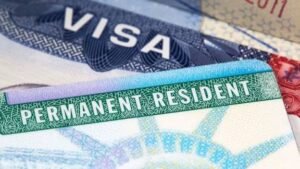
U.S. Immigrant Visa Suspension for 75 Countries
- Announcement: On January 14, 2026, the U.S. Department of State announced a pause in immigrant visa processing for nationals of 75 countries citing concerns that applicants from these nations may be more likely to become a “public charge”.
- Duration: The suspension will officially take effect on 21 January 2026 and will remain in place indefinitely until the Department of State completes its review and determines new criteria or safeguards.
-
- Basis: The policy is grounded in the long-standing public charge provision of the U.S. Immigration and Nationality Act, which permits denial of visas if a consular officer believes an applicant may rely on government welfare programs.
- Affected Countries: The pause covers 75 countries spanning Africa, Asia, Latin America, the Caribbean, and Eastern Europe. Notable countries include Afghanistan, Bangladesh, Brazil, Egypt, Iran, Iraq, Nepal, Nigeria, Pakistan, Russia, Somalia, Sudan, Syria, Thailand, Uganda, and Yemen, among others.
- Not Affected: It does not affect non-immigrant visas, such as tourist (B-1/B-2), student (F-1), exchange (J), temporary worker visas (H-1B, L-1), or visa waiver entries, which continue under existing procedures. Nationals of countries not on the list remain eligible for immigrant and non-immigrant visa processing as normal.
- Impact on Applicants: Applicants from affected countries may still attend scheduled visa interviews and submit documentation, but consular officers are barred from issuing immigrant visas until the suspension is lifted. Importantly, existing valid immigrant visas are not being revoked under the current guidance.
Reasons behind the U.S. Suspension of Immigrant Visa
- Enforcement of the “Public Charge” Rule: A central reason for the suspension is the U.S. government’s renewed emphasis on the “public charge” provision of U.S. immigration law, which allows visa officers to deny applicants they believe are likely to rely on public benefits or government welfare after entering the United States. Although this provision has existed for decades, the current administration is applying it more strictly and comprehensively than in recent years.
- Preventing Abuse of Public Welfare Systems: Officials have framed the suspension as a measure to prevent abuse of American welfare programs, arguing that some immigrants may later use benefits like healthcare, cash assistance, or other public services. The administration has highlighted the need to protect U.S. taxpayers and public resources by ensuring that new immigrants are capable of self-sufficiency.
- Addressing Security and Fraud Concerns: Beyond public charge concerns, part of the reasoning includes efforts to strengthen national security and combat visa fraud, particularly from countries with weak civil documentation systems or limited cooperation with U.S. authorities. The suspension allows time to review fraud prevention mechanisms and reduce the risk of fraudulent applications.
- Response to Internal Policy Guidance: The decision follows a November 2025 directive that instructed consular officers to adopt new screening criteria under the public charge framework. This guidance reportedly broadened factors considered in visa decisions to include medical conditions, family status and age, prompting the State Department to pause processing until new screening standards and protocols are fully implemented.
|
What is the U.S. Immigrant Visa?
|
Impact of U.S. Immigrant Visa Suspension
- Migration Trends: The U.S. suspension of immigrant visa processing will significantly disrupt global migration patterns. Data from early 2025 shows that nationals from the affected countries accounted for about 43.5% of all U.S. immigrant visas issued between January and May 2025 — more than 109,000 out of 251,864 visas — illustrating how pivotal these nations were in U.S. migration flows before the policy change. The abrupt freeze means that prospective migrants from listed countries will now face indefinite delays in achieving lawful permanent residence. This shift may slow global migration rates to the U.S. and redistribute migration flows toward other high-income destinations.
- Global Mobility: The visa suspension will have broader global mobility implications. Enhanced vetting and stricter screening procedures will now increase wait times and denial rates for all applicants worldwide, including those from non-listed countries. The heightened scrutiny will slow visa interviews and processing timelines, which could impact global travel, international business, academic exchanges, and skilled labor mobility.
- Indian Diaspora: Although India is not on the list of 75 countries, the broader U.S. immigration crackdown will have indirect consequences for the Indian diaspora. U.S. consular practices in India will now include expanded “online presence reviews” and more intensive background checks. Additionally, Indian applicants with spouses or family members from affected countries will face joint application freezes, complicating family unification processes.
|
Also Read: US Embassy Issues New Warning for Student Visa Holders |