




BITS–RMIT Developed Affordable & Flexible Sensor for Early Heart Attack Detection
|
General Studies Paper II: Health, Government Policies & Interventions |
Why in News?
Recently, researchers from BITS and RMIT University have created a low-cost, flexible biosensor that quickly detects a key heart attack biomarker, enabling earlier diagnosis than standard tests. This portable sensor could save lives, especially in rural or low-resource healthcare settings.
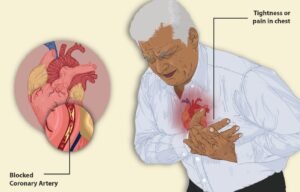
BITS–RMIT’s New Heart Attack Detection Device
- About: The BITS–RMIT biosensor is a flexible cardiac diagnostic device designed to detect early signs of a heart attack. It specifically measures myoglobin, a key cardiac biomarker that is released into the bloodstream within hours of heart muscle injury.
- Developed By: The innovation is a result of a joint research programme between Birla Institute of Technology and Science (BITS) Pilani, Hyderabad Campus and RMIT University (Australia), demonstrating strong Indo-Australian scientific collaboration.
- Core Technology: The device uses graphene-based sensing technology, chosen for its exceptional electrical conductivity, high surface area, and sensitivity to biochemical changes. Graphene’s properties allow it to detect minute concentrations of myoglobin rapidly.
- Working Process: The sensor functions through an electrochemical sensing mechanism that produces electrical signals proportional to the biomarker concentration in a small blood sample. This method enables quick, real-time results without requiring large laboratory infrastructure.
- Features:
-
- Early Detection: Targets myoglobin, an early marker of heart muscle injury, enabling rapid diagnosis.
- Affordable: Designed to be low-cost and economical, helping overcome barriers in resource-poor healthcare systems.
- Flexible & Portable: The flexible design supports point-of-care use, suitable for community health centers, ambulances, and rural clinics.
- Rapid Results: Provides quicker readouts compared to conventional cardiac biomarker tests that rely on centralized labs.
- Patent Filed: An Indian patent has been filed for this biosensing technology, indicating intent for real-world commercialisation.
Rising Burden of Heart Attacks in India
- Cardiovascular diseases (CVDs), including heart attacks (myocardial infarctions), have become a leading cause of death in India, representing approximately 28.1% of all deaths and contributing significantly to years of life lost and Disability-Adjusted Life Years (DALYs).
- India’s age-standardized CVD death rate (272 per 100,000) surpasses the global average, illustrating the rising national burden.
- Ischemic heart diseases and strokes account for the majority of these fatalities, with estimates suggesting over 2.5 million cases of ST-elevation myocardial infarction (STEMI) annually.
- India has undergone a rapid epidemiological transition from infectious diseases to non-communicable diseases (NCDs), with CVD mortality rising substantially. Premature mortality due to CVD increased by 59% between 1990 and 2010, underscoring how quickly heart disease has intensified as a public health challenge.
- Recent data show a surge in cases among younger Indians. Hospital data indicate that a significant proportion of heart attack patients are now under 40, particularly in urban centres, indicating a shift towards early onset of cardiovascular disease.
- Key risk factors in India include hypertension, diabetes, high cholesterol, obesity, tobacco use, unhealthy diets, physical inactivity, and air pollution. These factors promote atherosclerosis and coronary artery disease, leading to increased heart attack risk.
- The rising heart attack burden places a substantial strain on India’s healthcare system and economy. Increasing cardiac emergencies and hospitalizations raise direct healthcare costs and contribute to loss of productivity, especially as economically productive age groups are affected.
Significance of Such Biosensor
- Rapid Detection within the Golden Hour: Prompt intervention within the first 60 minutes of symptom onset is vital to prevent permanent heart damage. Flexible biosensors can detect early biomarkers such as myoglobin and cardiac Troponin I (cTnI) in as little as 1 to 10 minutes, significantly faster than conventional laboratory assays.
- High Sensitivity via Nanotechnology: The integration of nanostructured materials like graphene or gold nanoparticles on flexible substrates enhances signal amplification. Recent innovations allow for ultrasensitive detection, identifying cardiac events at femtomolar concentrations, much sooner than traditional methods can register.
- Cost-Effectiveness for Global Health: Affordability is a primary driver, as traditional cardiac tests require expensive equipment. New paper-based or polymer-based assays can be produced for pennies, making high-sensitivity screening accessible in resource-limited healthcare settings where cardiac mortality is often highest.
- Portability for Point-of-Care (POC) Testing: The lightweight and flexible design allows these sensors to be used in ambulances or rural clinics. Unlike stationary lab equipment, flexible electrochemical strips enable decentralized testing, reducing the critical time spent on patient transport and central lab processing.
- Seamless Wearable Integration: Flexible sensors offer mechanical biocompatibility, allowing for continuous, real-time monitoring. These sensors can be embedded in smart patches to track biomarkers through sweat or interstitial fluids, providing instant alerts for long-term personalized health management.
- Minimization of False Positives: Specificity is improved through advanced biorecognition elements like Aptamers. For example, modern sensors show an exceptional limit of detection (LOD), ensuring high selectivity for cardiac troponin even in complex human serum without interference from common blood proteins.
- Scalability and Economic Impact: New manufacturing techniques, such as inkjet printing on flexible polyimide, support the mass fabrication of these devices. Widespread deployment can reduce healthcare expenditures by preventing emergency hospitalizations and decreasing mortality through earlier risk stratification.
|
Government Initiatives to Prevent and Control Heart Attacks
|
|
Also Read: New Research of IISc can Detect Liver Cancer |