




The Poison Dart Frog
|
General Studies Paper II: Biodiversity, Wildlife |
Why in News?
Recently, a joint investigation by European countries found that Russian opposition leader Alexei Navalny was allegedly poisoned using the rare dart frog toxin derived from South American poison dart frogs, prompting international concern over chemical weapon misuse.
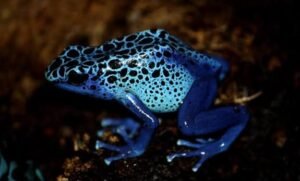
What is Dart Frog Toxin?
-
- About: Dart Frog Toxin (Epibatidine) is a highly potent alkaloid neurotoxin naturally secreted from the skin glands of certain poison dart frogs found in tropical rainforests. It is a nicotine-like compound that directly affects the central and peripheral nervous system by disrupting nerve signal transmission.
- First Discovery: The toxin Epibatidine was first discovered in 1974 by American chemist John W. Daly from the skin of the Ecuadorian poison frog (Epipedobates anthonyi). Its molecular structure was later identified in 1992.
-
- Origin: This toxin originates primarily from the Epipedobates genus of amphibians such as Anthony’s Poison Arrow Frog, which are native to Northern South America, particularly Ecuador and Colombia. Scientific studies indicate that these frogs do not synthesize the toxin themselves, but acquire it indirectly through their natural diet.
- Source: The actual biological source of Epibatidine is believed to be small ants, beetles and arthropods consumed by these frogs in the wild. Frogs raised in captivity lose their toxicity, proving that the toxin accumulation is diet-dependent rather than genetically produced. The poison is stored in specialized skin glands as a defence mechanism against predators.
- Chemical Composition: Epibatidine belongs to the class of nitrogen-containing organic compounds (alkaloids) and functions as a ganglionic nicotinic receptor agonist. It chemically mimics acetylcholine and nicotine, binding to nicotinic acetylcholine receptors (nAChRs) present in the nervous system.
- Potential: Epibatidine is estimated to be 100–200 times more potent than morphine as an analgesic. Its microgram-level exposure may result in seizures, making it one of the most dangerous naturally occurring neurotoxins known.
- Other Types: Batrachotoxin – One of the most lethal natural toxins affecting sodium ion channels and Phantasmidine – A related epibatidine-like compound with similar receptor activity.
-
- Affected System in Humans: Once introduced into the bloodstream, the toxin affects the nervous and respiratory systems by blocking nicotinic receptors, leading to: Muscle paralysis, Convulsions, Cardiorespiratory depression and Respiratory arrest due to suffocation.
- Detection Techniques: Modern forensic investigations detect Epibatidine using: Gas Chromatography (GC) and Mass Spectrometry (MS). These techniques isolate chemical compounds and generate a unique molecular fingerprint.
- This toxin is also being examined under international frameworks like the Chemical Weapons Convention (CWC) due to its potential misuse as a chemical agent in covert poisoning incidents.
- Case: A Laboratory Exposure Case (2010) was a documented and reported dermal toxicity in a researcher working with synthetic Epibatidine, resulting in skin reactions after short exposure.
Significance of Dart Frog Toxin
- Research into Pain Management: Scientists are investigating compounds inspired by those found in dart frogs for their potential in developing non-addictive analgesics. The goal is to find new ways to block pain signals without the risks associated with opioid-based medications.
- Studying Neurological Pathways: Certain components from these frog toxins are used as tools in neuroscience to study how nerve cells communicate. This research is vital for understanding and developing treatments for various neurological conditions.
- Exploring New Antibacterial Agents: The skin of dart frogs contains natural defenses against bacteria. Scientists are studying these antimicrobial peptides as a potential source for new types of antibiotics to combat the growing issue of antibiotic resistance.
- Potential for Anesthetic Development: Research is exploring whether compounds related to dart frog toxins could lead to the development of longer-lasting local anesthetics, which could be beneficial for managing post-operative pain.
- Investigating Muscle and Heart Function: Some substances found in dart frogs are being studied for their effects on muscle contraction and relaxation. This research has potential implications for understanding and treating muscular diseases and certain heart conditions.
Potential Concerns Associated with Dart Frog Toxin
- Risk of Biodiversity Exploitation: Recent ecological assessments warn that over-harvesting poison dart frogs for toxin extraction may threaten already vulnerable amphibian species such as Epipedobates anthonyi. The IUCN has noted that medicinal demand and illegal bioprospecting can accelerate population decline, especially since these frogs inhabit restricted rainforest ecosystems (<5000 km² range).
- Synthetic Replication & Dual-Use Threat: Modern laboratories can now chemically synthesise Epibatidine, eliminating dependence on natural frog populations. While beneficial for pharmacology, this raises global security concerns because synthetic toxins can be produced in high-purity form for misuse, as highlighted in the alleged 2026 poisoning of Alexei Navalny, now referred to international chemical watchdog mechanisms.
- Ethical & Indigenous Knowledge Misuse: Historically used by indigenous communities in South America for hunting dart preparation, modern pharmaceutical appropriation of frog alkaloids raises ethical concerns about biopiracy and benefit-sharing under international biodiversity frameworks. Unregulated research access may violate principles of equitable resource utilisation under global conservation norms.
|
Dart Frog
|