



India Named World’s Top Travel Destination for 2027
| General Studies Paper III: Tourism Economy |
Why in News?
Recently, Travel + Leisure named India its Destination of the Year 2027, recognising its exceptional cultural heritage and diverse landscapes and strengthening India’s global tourism appeal.
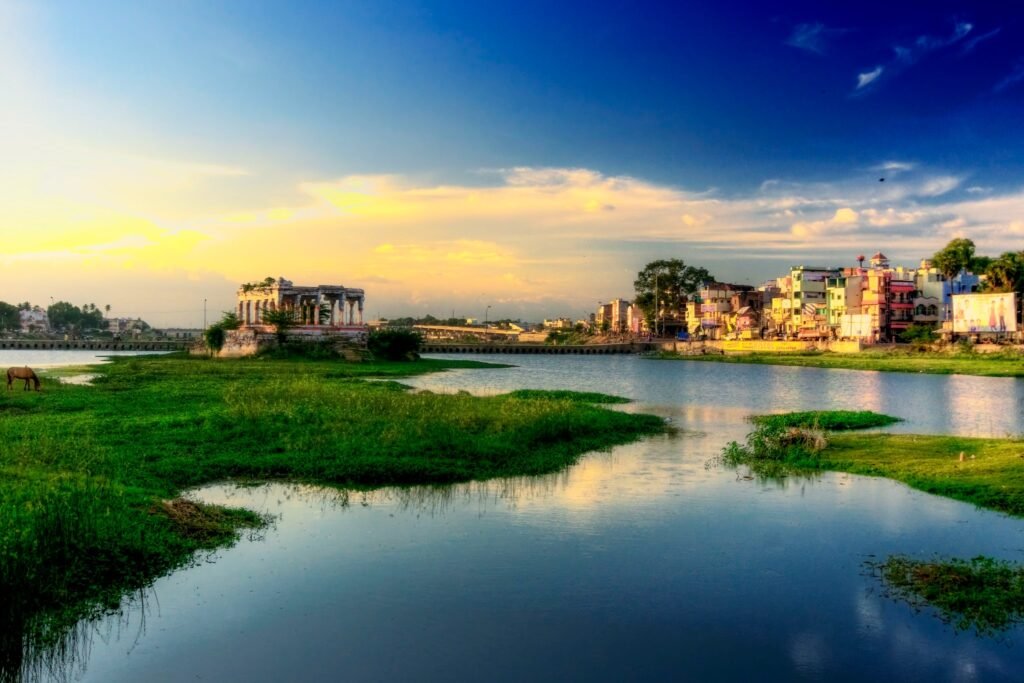
India Named World’s Top Travel Destination for 2027: Highlights
- Announcement: In November 2026, renowned international travel magazine Travel + Leisure crowned India as its Destination of the Year for 2027.
- The announcement was made by Editor-in-Chief Jacqui Gifford.
- This annual honor—running since 2014—places India alongside past winners like Brazil (2026), Thailand (2025), and Costa Rica (2024).
- Reasons: India earned this title for its extraordinary cultural diversity, expanding luxury hospitality, and improved travel connectivity.
- Over the past twelve years, the nation preserved ancient monuments, and empowered local communities.
- Highlighted Destinations:
- Nagaland: Located in Northeast India, Nagaland was highlighted for its rich indigenous traditions and community-led tourism.
- Visitors are drawn to the famous Hornbill Festival, which showcases tribal music, traditional dances, and authentic local crafts.
- Madhya Pradesh: Celebrated as the heart of India, Madhya Pradesh gained recognition for its remarkable wildlife conservation and ancient architecture.
- Travelers flock to premier tiger reserves like Panna National Park alongside spectacular, centuries-old historic temples.
- Lakshadweep: This pristine archipelago off the southwestern coast gained recognition as an untouched tropical paradise.
- Travellers are attracted to its turquoise waters, vibrant coral reefs, and quiet, eco-friendly island experiences.
- Meghalaya: Famous as the abode of clouds, Meghalaya was praised for its dramatic natural landscapes and adventure tourism.
- Its extraordinary limestone caves, lush green hills, and living root bridges offer unique exploration opportunities.
- Cultural Hubs: Alongside offbeat wonders, classic destinations like Old Delhi, Mumbai, and Chettinad were celebrated.
- Chettinad (Tamil Nadu) for heritage mansions, distinct vernacular architecture, and culinary traditions.
- Rajasthan (Udaipur, Jodhpur, Jaipur) & Agra for royal palaces, lakes, urban micro-neighborhoods, and historic monuments.
- Himachal Pradesh (Khajjiar) for high-altitude meadows and mountain tourism.
- Nagaland: Located in Northeast India, Nagaland was highlighted for its rich indigenous traditions and community-led tourism.
| Note: Jaipur was also featured on National Geographic’s “Best of the World 2027” editorial list, coinciding with 300 years since its founding in 1727. |
Factors Behind India’s Growing International Tourism Appeal
- India attracts global travelers through affordable luxury, medical excellence, and holistic wellness.
- Expansion of e-Visa facilities, regional airports, and high-speed rail has simplified international access.
- Flagship programs like Swadesh Darshan and Incredible India actively upgrade tourist circuits, while warm hospitality and a 24×7 multilingual helpline enhance visitor comfort.
- India ranks 31st globally on the World Economic Forum’s 2026 Travel & Tourism Development Index, jumping from 39th in 2024 and leading South Asia.
- The country places 6th in Natural Resources and 9th in Cultural Resources worldwide.
- Economically, the World Travel & Tourism Council ranks India as the 8th largest tourism economy, though it stands 24th in total international arrivals.
- As one of the world’s oldest civilizations, India captivates visitors with 42 UNESCO World Heritage sites, including the Taj Mahal, Ajanta Caves, and Hampi.
- Travelers flock to vibrant festivals like Diwali, Holi, and Pushkar Fair.
- India serves as a premier spiritual hub, drawing global pilgrims to sacred Buddhist circuits like Bodh Gaya, historic temples, and traditional Ayurveda and yoga retreats.
- International recognition of Yoga, including the UN-observed International Day of Yoga on 21 June, strengthens India’s global cultural influence.
- India’s dramatic geography spans snow-capped Himalayan peaks, the Thar Desert, tropical beaches, and lush wildlife sanctuaries.
- This variety fuels year-round adventure and eco-tourism, from trekking in Ladakh and surfing in Goa and Kaziranga and Corbett National Parks.
- India supports exceptional biodiversity, including Bengal tigers, Asiatic lions, one-horned rhinoceroses, elephants and diverse bird species.
- Protected areas such as Kaziranga, Gir, Jim Corbett, Ranthambore and Panna support wildlife tourism.
- Conservation programmes such as Project Tiger and Project Elephant contribute to biodiversity protection while creating opportunities for responsible tourism.
- India is increasingly promoting cruise tourism, adventure tourism, rural tourism, medical tourism, MICE tourism (Meetings, Incentives, Conferences and Exhibitions) and film tourism.
Economic Significance of India as a Travel Destination
- India recorded 2.02 crore international arrivals and USD 31.7 billion in foreign receipts in 2025, while domestic visits hit 2.9 billion.
- The sector grew 7.3% in 2025—outpacing the global average—and supports over 84 million jobs.
- With targeted infrastructure investments, India aims to become the 4th largest tourism economy by 2034 and attract 100 million foreign visitors by 2047.
- India recorded approximately 9.95 million Foreign Tourist Arrivals in 2025.
- The leading source countries included the United States, Bangladesh, the United Kingdom, Australia and Canada.
- Global visibility strengthens India’s soft power, and regional/state-level branding.
- International tourism generates valuable foreign exchange earnings (FEE) through spending by overseas visitors on accommodation, transport, shopping, food and recreational activities.
- India’s tourism-related foreign exchange earnings reached ₹2,93,033 crore in 2024, compared with ₹2,66,045 crore in 2023.
- High-spending medical, wellness, and spiritual travelers alongside long international stays—averaging 18.5 days per WTTC—strengthen external receipts.
- Tourism creates employment across hotels, restaurants, airlines, railways, travel agencies, handicrafts, tour operations and local transportation.
- According to the Ministry of Tourism, tourism-supported employment increased from 68.07 million in 2020–21 to 84.63 million in 2023–24.
- It generates both direct and indirect employment, particularly benefiting women, young people and workers in informal sectors.
- Tourism supports micro, small and medium enterprises (MSMEs) through handicrafts, restaurants, homestays, local transport, cultural performances and souvenir businesses.
- Union Budget allocations—₹2,541.06 crore for 2025–26 and ₹2,335 crore for FY27—complement rising hotel investments (₹4,933 crore in CY25) and over 1,300 DPIIT-recognized travel startups.
Government Initiatives & Tourism Policies
- The Swadesh Darshan scheme built thematic tourist circuits, completing 75 projects. Swadesh Darshan 2.0 shifted toward sustainable, destination-centric planning.
- Challenge Based Destination Development (CBDD) for cultural, spiritual, and border sites. SASCI funds iconic global destinations.
- Programs like Pilgrimage Rejuvenation and Spiritual Heritage Augmentation Drive (PRASHAD) and Adopt a Heritage protect cultural and spiritual sites. PM-Janjatiya Unnat Gram Abhiyan (PM-JUGA) supports tribal homestays and local livelihoods.
- Eco-tourism, Travel for LiFE, adventure safety frameworks, Cruise Bharat Mission, and five Regional Medical Hubs promote natural diversity and specialized travel.
- National tourism policies emphasize the 7S pillars—Swagat (welcome), Soochana (information), Suvidha (facilitation), Suraksha (safety), Sahyog (cooperation), Samrachana (infrastructure), and Safai (cleanliness).
- In July 2026, the Ministry also announced 117 projects worth ₹5,756.62 crore under its tourism infrastructure development initiatives.
Frequently Asked Questions (FAQs):
Q1. Who named India the Destination of the Year 2027?
Travel + Leisure magazine recognised India as its Destination of the Year 2027.
Q2. What were the major reasons behind India’s selection?
India’s cultural heritage, biodiversity, geographical diversity, hospitality and expanding luxury tourism experiences.
Q3. What is India’s position in the WEF Travel and Tourism Development Index 2024?
India ranked 39th among 119 economies in the 2024 index.
Q4. What is the contribution of tourism to India’s GDP?
Tourism contributed 5.22% of India’s GDP in 2023–24.
Q5. Which government schemes promote tourism infrastructure in India?
Swadesh Darshan 2.0, PRASHAD and Challenge-Based Destination Development promote tourism infrastructure.
Q6. What is the PRASHAD Scheme?
PRASHAD develops pilgrimage destinations through improved infrastructure and spiritual heritage conservation.
Disclaimer: Information in this article is based on official announcements and public records. Details may evolve over time.
| Also Read: Jaipur Named Best of the World 2027 |