



Medical Device Adverse Events in India: 3-Fold Rise in SAEs and Regulatory Gaps
| General Studies Paper III: Health, Materiovigilance Programme, Regulatory Reforms |
Why in News?
Recently disclosed Indian Pharmacopoeia Commission (IPC) data reveals a nearly three-fold surge in Serious Adverse Events (SAEs) from medical devices across India, sharply escalating from 808 annual cases in 2020 to 2,176 by 2025.
Rising Medical Device Adverse Events in India
- India has recorded 9,373 Serious Adverse Events (SAEs) associated with medical-device use since 2020, according to data disclosed by the Indian Pharmacopoeia Commission (IPC).
- Annual cases increased from 808 in 2020 to 2,176 in 2025, representing an approximately 2.69-fold increase.
- The six-year SAE dataset was disclosed following an RTI appeal and a Central Information Commission (CIC) order dated 10 September 2026.
- The Indian Express accessed the information on 27 October 2026.
- The broader Medical Device Adverse Events (MDAEs) database recorded 3,868 cases in 2022–23, 10,269 in 2023–24 and 14,584 in 2024–25, according to IPC annual reports cited in the investigation.
- IPC forwarded 12 suspected-device cases in 2022–23, 16 in 2023–24 and 22 in 2024–25 to the Central Drugs Standard Control Organisation (CDSCO) for necessary action.
- The 2018 Implant Files investigation reported that 290 out of 566 recorded medical-device adverse-event entries.
- Clinical data indicates a clear gender disparity, with males accounting for roughly 62% of reported events, compared to a significantly lower percentage in females.
- Age-wise distribution shows that middle-aged individuals (specifically the 21–30 and 41–50 age cohorts) constitute the largest clusters of affected patients.
- Vulnerable extremes of the population, such as infants (7.5%) and the elderly (6.9%), see fewer total reports.
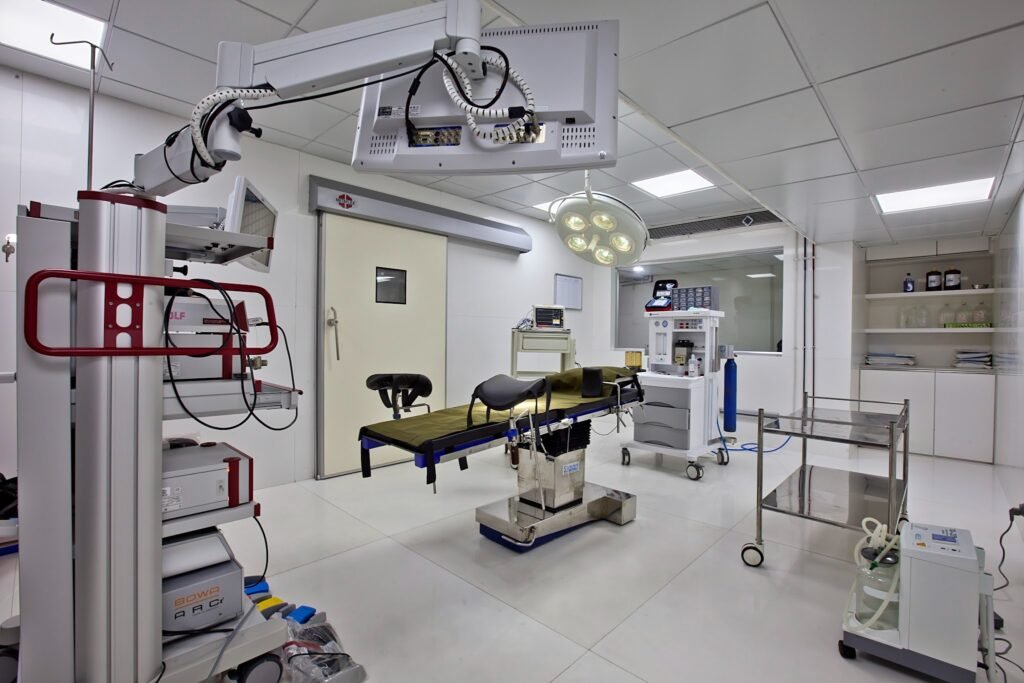
- Multi-center studies show that the Medicine Intensive Care Unit (ICU) and the Dialysis Unit report the highest density of MDAEs, commanding 12.5% and 10% of total hospital events respectively.
- The intense, fast-paced nature of these high-acuity environments, combined with simultaneous reliance on ventilators, infusion pumps, continuous renal replacement therapy (CRRT) machines, and patient monitors, creates a high-stakes environment.
- Low-to-moderate risk devices (Class B) account for over half of total events (51.25% to 66%).
- Retrospective hospital data tends to heavily capture high-risk devices (Class C and Class D) at roughly 51% and 49% respectively.
- Approximately 14% of documented incidents are classified as “near-misses“—events that narrowly avoided causing permanent injury or death solely due to timely human intervention.
- 60.4% of serious adverse events occur within non-notified medical devices.
- The vast majority of corrective actions (94.59%) involve repairing and returning the faulty device right back into active hospital rotations.
- Only a minuscule 5.41% of compromised devices are sent back to the original manufacturer for replacement.
| Note: Serious Adverse Events (SAEs) are incidents associated with medical-device use that may result in death, life-threatening conditions, prolonged hospitalisation, significant disability or other medically important consequences. |
Major Causes and Types of Medical Device Failures in India
- Improper material selection leads to structural compromises where devices fail under physiological stress.
- In India’s unique climate, environmental factors like high humidity and dust accelerate the in-service degradation of plastics and biomaterials.
- This causes dangerous chemical seeping, polymer erosion, and mechanical breakdown of implants or disposable equipment during routine clinical usage.
- Inconsistent adherence to Good Manufacturing Practices (GMP) across small-to-midscale Indian firms leads to serious batch defects.
- The penetration of unregulated, counterfeit devices lacking Central Drugs Standard Control Organization (CDSCO) approval injects dangerous flaws into the supply chain.
- These production discrepancies result in unintended device malfunctions like short circuits or structural breakage during direct patient contact.
- The absence of comprehensive design control guidance causes inherent flaws in complex medical equipment.
- Hardware vulnerabilities can cause catastrophic events, such as incubator short circuits leading to thermal injuries.
- Computer software glitches trigger faulty diagnostic outputs, improper calibration, and sudden power failures in life-support machinery.
- Faulty sterilization protocols cause severe hospital-acquired infections (HAIs) in critical care units.
- Inadequate device decontamination fosters bacterial biofilms on indwelling equipment like IV cannulas and catheters.
- These microbial pathways cause device-associated sepsis, increasing patient morbidity due to micro-pathogens surviving inadequate cleaning cycles.
- Improper operational handling by healthcare workers remains a leading cause of adverse events. Faulty clinical positioning, incorrect assembly, and neglecting parameters arise from a lack of structured training on advanced equipment.
- Hospitals frequently bypass preventive maintenance schedules, forcing medical devices to operate far beyond safe endurance limits.
- Failing to secure valid Annual Maintenance Contracts (AMCs) leads to unaddressed structural wear and component fatigue.
- Overstressed transport equipment, old batteries, and worn mechanical parts cause sudden diagnostic collapse.
- Obscure packaging details, inadequate warning labels, and missing localized translations confuse medical practitioners.
- Defective Instructions for Use (IFU) prevent staff from understanding critical limits, storage requirements, or compatibility restrictions.
- Historically weak reporting mechanisms mean critical device defects often go undocumented in scientific literature. Low compliance in active monitoring shields sub-standard devices from timely product recalls.
India’s Medical Device Regulatory Framework and Monitoring
- Regulatory Framework:
- India’s medical device ecosystem is governed under the provisions of the Drugs and Cosmetics Act, 1940, and the dedicated Medical Devices Rules (MDR), 2017.
- The Medical Devices Rules, 2017, notified on 31 January 2017 and effective from January 2018, established a dedicated regulatory framework for medical devices.
- They introduced risk-based classification, licensing requirements, quality-management obligations and post-market surveillance provisions.
- Medical devices and in-vitro diagnostics (IVDs) in India are divided into four distinct classes based on their intended use and potential risk to patients.
- Class A represents low risk (e.g., surgical dressings, thermometers), Class B represents low-moderate risk (e.g., hypodermic needles), Class C represents moderate-high risk (e.g., lung ventilators), and Class D represents high risk (e.g., cardiac stents, implantable pacemakers).
- Monitoring:
- The Central Drugs Standard Control Organization (CDSCO), operating under the Ministry of Health and Family Welfare, serves as India’s national regulatory authority.
- Led by the Drugs Controller General of India (DCGI), the CDSCO oversees the entire lifecycle of medical devices.
- It is responsible for granting import licenses, approving clinical investigations, conducting manufacturing audits, and supervising post-market safety compliance.
- CDSCO handles high-risk Class C and Class D devices.
- The State Licensing Authorities (SLAs) manage the licensing for low-risk Class A and Class B devices.
- To verify technical specifications and quality compliance, the government established a network of designated Central Medical Device Testing Laboratories.
- The Bureau of Indian Standards (BIS) collaborates by standardizing mechanical, electrical, and performance benchmarks for these devices.
- Data collection relies on a growing network of over 170 Medical Device Adverse Event Monitoring Centres (MDMCs) established in medical colleges and hospitals across India.
- Reports are logged using the Adverse Drug Reactions Monitoring System (ADRMS) software to streamline tracking.
- Under the Medical Devices Rules 2017, Marketing Authorization Holders (MAHs) and manufacturers are legally required to report adverse events.
- Serious adverse events that result in death or severe injury must be reported to the CDSCO within 5 working days.
- Moderate events require reporting within 30 days, and companies must submit comprehensive annual post-market surveillance summary reports.
- Formally launched on July 6, 2015, the Materiovigilance Programme of India (MvPI) serves as the nation’s post-market surveillance network.
- The program tracks, collects, and analyzes medical device-associated adverse events (MDAEs). It is designed to ensure that the clinical benefits of using a medical device consistently outweigh its long-term health risks.
- The MvPI functions through a tripartite collaboration of specialized institutions.
- The Indian Pharmacopoeia Commission (IPC) in Ghaziabad acts as the National Coordination Centre (NCC).
- The Sree Chitra Tirunal Institute for Medical Sciences & Technology (SCTIMST) serves as the National Collaborating Centre, while the National Health Systems Resource Centre (NHSRC) provides technical support and personnel training.
- When an adverse event is flagged, the NCC-MvPI evaluates the data and performs a rigorous root cause analysis (RCA).
- Based on these findings, the CDSCO enforces Corrective and Preventive Actions (CAPA) or issues Field Safety Corrective Actions (FSCA).
- The National Medical Commission‘s public notice dated 13 July 2025, advised medical institutions to establish Medical Device-related Adverse Event Committees and register them with IPC.
- The Central Drugs Standard Control Organization (CDSCO), operating under the Ministry of Health and Family Welfare, serves as India’s national regulatory authority.
Impact of Surge in Serious Adverse Events
- Medical-device failures can directly threaten patient safety, treatment effectiveness and survival. Malfunctioning ventilators, infusion pumps, implants and diagnostic equipment may result in delayed treatment, incorrect clinical decisions or avoidable complications.
- Defective or improperly sterilised devices can increase the risk of infections, tissue injuries, allergic reactions and other complications. Contaminated catheters, and blood-contacting equipment may contribute to healthcare-associated infections.
- Device-related complications may require additional surgeries, prolonged hospitalisation, replacement implants, diagnostic investigations and rehabilitation. These expenses can increase out-of-pocket expenditure (OOPE).
- Device failures increase the workload of doctors, nurses, biomedical engineers and hospital administrators. Equipment downtime can disrupt diagnostic services, emergency treatment and surgical procedures.
Regulatory Reforms
- India must transition from its current voluntary framework to a strictly mandated reporting ecosystem for all medical establishments. Enforceable legal mandates must replace spontaneous reporting.
- Reforms must establish an automated, real-time data sync pipeline between the IPC and the CDSCO to eliminate bureaucratic friction, ensuring that alarming trends trigger immediate field safety corrective actions.
- Unlike global benchmarks such as the US FDA’s public MAUDE database, India lacks an open repository.
- Constructing a transparent, searchable public safety registry is paramount to empower clinicians, researchers, and patients with actionable device history data.
- Regulatory reforms must legally bifurcate device oversight into a dedicated, autonomous division staffed by biomedical engineers, software experts, and material scientists who can properly evaluate specialized malfunctions.
- India must fully enforce Unique Device Identification (UDI) mandates embedded into Electronic Health Records (EHR) across all Indian hospitals. UDI system allows immediate identification and prophylactic tracking of impacted patients.
- The promotion of domestic medical-device manufacturing under initiatives such as the National Medical Devices Policy, 2023, should be accompanied by stringent quality assurance.
Frequently Asked Questions (FAQs):
1. Why have serious adverse events linked to medical devices nearly tripled in India?
Rising device usage, underreporting corrections, improved surveillance and possible quality failures may contribute; available data cannot establish a single cause.
2. How many serious adverse events were recorded by the Indian Pharmacopoeia Commission?
The IPC recorded 9,373 SAEs since 2020, increasing from 808 in 2020 to 2,176 in 2025.
3. What is the difference between MDAEs and SAEs?
MDAEs cover reported medical-device-related adverse events; SAEs are serious incidents involving outcomes such as death, disability, life-threatening conditions or prolonged hospitalisation.
4. Which medical devices have been associated with adverse event reports?
Reported devices include coronary stents, surgical gloves, syringes, catheters, urine bags, pregnancy-test kits, ventilators, blood-pressure monitors and blood-transfusion sets.
5. What is the Materiovigilance Programme of India?
Launched in 2015, MvPI monitors, collects and analyses medical-device adverse events through IPC-coordinated monitoring centres, supporting patient safety and CDSCO regulatory action.
Disclaimer: Information in this article is based on official announcements and public records. Details may evolve over time.