



India-Angola Gas Supply Deal
|
General Studies Paper II: Effect of Policies & Politics of Countries on India’s Interests |
Why in News?
Recently, India has initiated talks with Angola to secure long-term supplies of LPG and LNG, as disruptions in West Asia—especially the Strait of Hormuz crisis—have impacted imports, prompting diversification of energy sources.
- Major Indian public sector companies like Indian Oil Corporation (IOC), BPCL, HPCL, and GAIL are leading discussions with Angola’s state-owned firm Sonangol.
Why Angola is Preferred as Gas Supplier for India
- Existing Energy Trade: India already imports crude oil and LNG from Angola, with India being among the top Asian buyers (35 Bcf LNG annually). This existing trade base ensures trust, logistical familiarity, and smoother deal execution.
- Strategic Maritime Access: Located on the west coast of Africa, Angola offers access via Atlantic shipping routes, bypassing chokepoints like the Hormuz Strait. This enhances supply security and reduces geopolitical risks in transit.
- Gas supplies from Africa can reach India 10 to 15 days faster than from the United States, which could be a good option for India.
- Abundant Hydrocarbon Reserves: Angola possesses significant energy resources with about 9 billion barrels of proven oil reserves and 4.6–11 trillion cubic feet of natural gas. This large reserve base ensures long-term supply reliability, making it a strong alternative supplier for India.
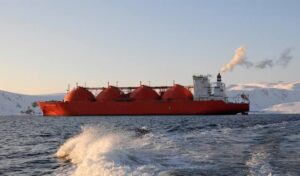
- Established LNG Export Infrastructure: Angola has a well-developed LNG ecosystem led by the Angola LNG plant (Soyo) with a capacity of 5.2 million tonnes per annum (MTPA). This facility enables large-scale, stable LNG exports to global markets, including Asia.
- Growing Gas Production Potential: Angola is actively expanding gas output through new projects like Quiluma and Maboqueiro fields, targeting increased production (up to 330 million cubic feet/day by 2026). This ensures future scalability of supply for importing countries like India.
- Flexible LNG Contracts: Angola LNG follows a hybrid model of long-term and spot contracts, offering pricing flexibility and destination freedom. This allows India to secure cost-effective and adaptable supply agreements.
- India’s Global South & Africa Strategy: Engaging Angola strengthens India’s Africa outreach policy and South-South cooperation. It enhances strategic partnerships, and long-term geopolitical influence in resource-rich African regions.
|
About Angola:
|
India–Angola Relationship
- Diplomatic Ties: India–Angola relations date back to Angola’s independence struggle (1975), when India supported anti-colonial efforts.
- Formal diplomatic relations were established in 1985, marking over 40 years of partnership based on mutual respect and solidarity.
- Recent high-level visits, including President Droupadi Murmu’s 2025 visit, have strengthened ties. Multiple MoUs in fisheries, marine resources, and consular affairs were signed.
- Energy Partnership: Energy cooperation is the backbone of bilateral ties, contributing nearly 90% of total trade. Angola is among the top oil suppliers to India, with imports around 94,000 barrels/day (2025), highlighting its importance.
- Trade and Economy: Bilateral trade has grown significantly, reaching around $4–4.2 billion in recent years. India is among Angola’s top three trading partners, and trade has doubled from $2.14 billion (2020–21) to $4.22 billion (2022–23), reflecting strong economic engagement.
- Business Presence: Indian investments in Angola are estimated at $1.5–2 billion, covering sectors like construction, pharmaceuticals, textiles, and real estate. Indian companies actively contribute to Angola’s development.
- Both countries are expanding cooperation into technology, agriculture, defence, healthcare, infrastructure, and renewable energy.
- Strategic Cooperation: India has extended a $200 million Line of Credit for defence procurement and capacity building. Cooperation includes training, equipment supply, and maintenance, strengthening Angola’s capabilities.
- Global Cooperation: India and Angola collaborate in UN and multilateral forums, supporting each other’s candidatures.
- The partnership reflects shared goals of Global South cooperation, climate action, and international peace and security.
- Angola joining initiatives like the International Solar Alliance reflects growing collaboration in sustainable development sectors.
- Cultural Links: Around 4,000 Indians reside in Angola, contributing to sectors like trade and services. Cultural exchanges, education, and training programs strengthen grassroots connections.
Significance of This Step
- Long-Term Stability: In the future, sourcing gas from Angola will ensure stable long-term contracts (10–15 years), reducing exposure to price volatility. With India’s energy demand projected to grow by 25% by 2030, diversified supply becomes critical.
- Emerging LNG Market Influence: With Angola expanding LNG capacity, India can secure an early position in a growing African gas market, ensuring future price leverage and reducing exposure to volatile spot LNG markets.
- Gateway to African Continental Trade: Angola can serve as an entry point to the African Continental Free Trade Area (AfCFTA), connecting India to a market of 1.3 billion people, boosting exports, investments, and supply chains.
- Critical Minerals and Industrial Growth: Angola’s reserves of cobalt, copper, and rare minerals can support India’s EV and battery industries, strengthening future manufacturing ecosystems and reducing dependency on limited suppliers.
- Counterbalance to Global Powers: Deepening ties with Angola helps India balance the influence of China and Western nations in Africa, enhancing its strategic autonomy, diplomatic reach, and leadership in Global South geopolitics.
- Support for Global Energy Transition: Natural gas is considered a transition fuel with lower emissions than coal. Increased imports from Angola will help India reduce carbon intensity by 45% (target by 2030) while balancing growth and sustainability.
|
Also Read: Economic Impact of West Asia Crisis on India |