




Hyderabad Gender-Neutral Prison Cell, Became the First of Its Kind in India
| General Studies Paper III: Governance & Social Justice, Equality |
Why in News?
Recently, Chanchalguda Central Prison established India’s first-of-its-kind gender-neutral cell in Hyderabad, following National Human Rights Commission of India (NHRC) intervention.
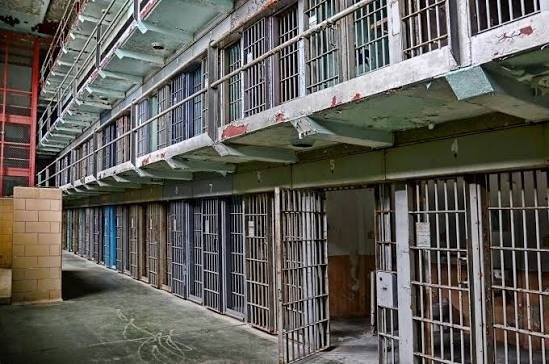
India’s First Gender-Neutral Prison Cell
- Location: India’s first dedicated gender-neutral prison cell has been established at the Chanchalguda Central Prison, Hyderabad, in Telangana.
- A gender-neutral prison cell is a specialized, non-binary housing unit designed exclusively for incarcerated individuals with diverse gender identities and expressions.
- Objective: Its primary objective is to safeguard human dignity and ensure appropriate, respectful living arrangements for gender-diverse inmates.
- Need: Historically, prisons strictly separated inmates into male and female wards, leaving transgender individuals vulnerable to severe harassment, verbal abuse, and physical or sexual violence.
- The cell was established following a pivotal intervention by the National Human Rights Commission (NHRC).
- A specialized monitoring visit on October 8, 2026, enforced long-standing Ministry of Home Affairs (MHA) welfare advisories.
- NHRC Special Monitor responsible for transgender persons and LGBTQ+ rights.
- The cell was established following a pivotal intervention by the National Human Rights Commission (NHRC).
- Cell Feature:
- The cell functions as a distinct separate enclosure built to prevent forced isolation or complete solitary confinement.
- A core feature is the official grant of affirmative clothing, allowing inmates to choose attire matching their self-identified gender. This upholds personal autonomy.
- The cell provides segregated toilets and private bathrooms specifically designated for gender-neutral occupants.
- Accommodation limits arbitrary binary placements by utilizing identity-based classification rather than biological anatomy.
- Security protocols stipulate that body searches must be done by preferred-gender guards or trained medical staff in private settings.
- Inmates possess the right to self-identity recognition in all official electronic prison management logs. They retain full access to essential gender-affirming healthcare, psychological support, and legal aid.
Constitutional Rights of Transgender Prisoners and Legal Framework in India
- Constitutional Rights:
- Articles 14, 15, 16, 19, and 21 of the Indian Constitution shield transgender inmates from discrimination.
- Article 14 guarantees equality before the law and equal protection of laws to every person.
- Article 15 prohibits discrimination on grounds including sex.
- Article 16 guarantees equality of opportunity in public employment.
- Article 21 protects life and personal liberty.
- It encompasses dignity, privacy, bodily integrity, healthcare and protection against cruel or degrading treatment.
- The Supreme Court’s landmark NALSA v. Union of India (2014) judgment recognised transgender persons as a distinct third gender.
- The court affirmed their constitutional rights. It established that gender identity is integral to individual dignity and personal autonomy.
- The Election Commission of India directed in November 2009 that eunuchs and transgender individuals could choose an “others” option on voter registration forms and identity cards (Forms 6, 7, and 8) rather than being forced to select male or female.
- Articles 14, 15, 16, 19, and 21 of the Indian Constitution shield transgender inmates from discrimination.
- Framework:
- Transgender Persons (Protection of Rights) Act, 2019, effective from 10 January 2020, provides legal recognition and prohibits discrimination against transgender persons.
- Section 3 prohibits discrimination in education, employment, healthcare, public services, residence and access to public facilities.
- Sections 4–7 recognise transgender identity and provide procedures for obtaining identity certificates through the District Magistrate.
- Under Section 12, it mandates that no transgender individual shall be separated from their family or community except by a judicial order, reinforcing their right to safe, respectful rehabilitation.
- The Act also establishes a statutory National Council for Transgender Persons (NCTP).
- MHA Advisory on Treatment and Care of Transgender Prisoners, 2022: The Ministry of Home Affairs issued an important advisory dated 10 January 2022.
- These guidelines dictate that infrastructure must maintain privacy while avoiding complete isolation, ensuring inmates are not subjected to punitive solitary confinement.
- Searches must be conducted with strict privacy and dignity by personnel of the inmate’s preferred gender or a medical professional.
- The guidelines mandate gender-affirming frisking protocols and prohibit any form of strip-searching aimed at biological verification or harassment.
- Prisons must provide gender-affirming healthcare, counseling, and uninterrupted access to ongoing hormone therapy or medical transitions.
- Facility heads must ensure free legal aid under the NALSA framework to assist inmates in updating official documentation and fighting legal battles.
- Prisons must establish institutional Grievance Redressal Cells to handle complaints regarding transphobic bullying, violence, or institutional neglect.
- Prison staff must undergo regular sensitization programs to eradicate systemic biases.
- Complaints must be logged, tracked, and resolved within definitive, legally mandated timelines.
- Transgender Persons (Protection of Rights) Act, 2019, effective from 10 January 2020, provides legal recognition and prohibits discrimination against transgender persons.
Significance of Gender-Neutral Prison Cells
- Protection of Human Rights: Gender-neutral prison accommodation strengthens the protection of human dignity, personal liberty and individual identity.
- Ensuring Non-Discrimination: The initiative advances substantive equality by addressing the specific vulnerabilities of transgender prisoners, promoting Equal treatment.
- Constitutional Morality: It reflects the principles of constitutional morality, individual autonomy and equality recognised by the Supreme Court.
- Protection Against Violence: Separate, appropriately designed accommodation can reduce exposure to physical harassment, sexual exploitation.
- Psychological Well-being: Protection from humiliation, discrimination and social isolation can support prisoners’ psychological well-being and emotional security.
- Sustainable Development Goals: The initiative connects with SDG 5 (Gender Equality), SDG 10 (Reduced Inequalities) and SDG 16 (Peace, Justice and Strong Institutions).
- Transformative Governance: It represents a shift from conventional administrative uniformity towards equity-based governance.
- The International Covenant on Civil and Political Rights (ICCPR) provides an important international framework for these protections.
Government Policies Related to Gender-Neutral Inclusive Growth
- SMILE Scheme: The Ministry of Social Justice and Empowerment launched SMILE (Support for Marginalized Individuals for Livelihood and Enterprise) in February 2022.
- Its transgender rehabilitation component promotes healthcare, education, counselling, skill development, livelihood opportunities and social inclusion.
- Garima Greh: Under SMILE, Garima Greh shelter homes provide shelter, food, clothing, medical care, counselling and recreational facilities to vulnerable transgender persons.
- National Portal for Transgender Persons: Launched on 25 November 2020, the portal enables online applications for transgender identity certificates and identity cards.
- National Council for Transgender Persons: Constituted on 21 August 2020, the Council advises the Central Government on policies, monitors their implementation and coordinates efforts concerning transgender welfare. It was reconstituted in November 2023.
- Equal Opportunities Policy: The Department of Social Justice and Empowerment issued Equal Opportunities Policies for Transgender Persons in February 2024.
- These seek to improve workplace inclusion, prevent discrimination and promote equal employment opportunities.
- The MHA issued an updated advisory on 23 June 2026, titled Advisory for Ensuring the Welfare of Transgender Persons (2.0).
- Transgender Protection Cells: The Ministry of Home Affairs has advised States and UTs to establish district-level Transgender Protection Cells and State-level cells under the DGP. These mechanisms support monitoring offences.
- Healthcare and Social Security: Government initiatives include Ayushman Bharat TG Plus health coverage and welfare interventions under SMILE.
- To boost self-reliance, the government provides interest subvention loans and assists in forming Self-Help Groups (SHGs) linked to institutional bank credit.
- State policies are following suit; for instance, Karnataka implemented a pioneering 1% public employment reservation.
- Several Indian states and union territories run dedicated Transgender Pension Schemes to provide monthly financial assistance and social security to transgender individuals.
Frequently Asked Questions (FAQs):
1. Why has Chanchalguda Central Prison established a gender-neutral cell?
To ensure dignity, safety, appropriate accommodation and protection against discrimination for prisoners with diverse gender identities and expressions.
2. What facilities will transgender inmates receive in the new cell?
A separate accommodation arrangement and permission for gender-affirming clothing are confirmed. Detailed amenities have not been officially specified.
3. What role did the NHRC play in establishing the facility?
Following its Special Monitor’s 8 October 2026 visit, NHRC emphasised existing advisories and secured implementation through prison authorities’ compliance report.
4. Are transgender inmates allowed to wear gender-affirming clothing?
Yes. Hyderabad prison authorities have expressly permitted affirmative clothing for inmates accommodated in the gender-neutral cell.
5. What protections are available for transgender prisoners in India?
The Transgender Persons Act, 2019, constitutional rights and MHA prison advisories protect equality, dignity, privacy, healthcare, appropriate accommodation and freedom from discrimination.
Disclaimer: Information in this article is based on official announcements and public records. Details may evolve over time.
| Also Read: Transgender Persons Amendment Bill 2026 |