CDSCO Approval for Wegovy MASH Treatment
| General Studies Paper II: Health, Government Policies & Interventions |
Why in News?
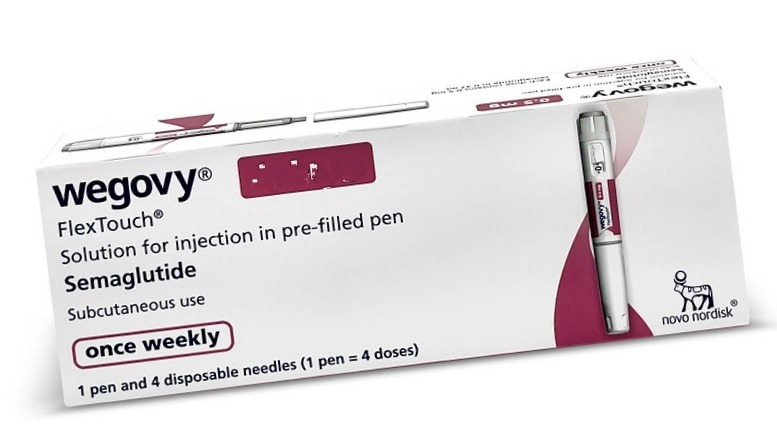
Recently, India’s Central Drugs Standard Control Organisation(CDSCO) approved Novo Nordisk’s Wegovy (semaglutide) for treating MASH.
What is Metabolic Dysfunction-Associated Steatohepatitis (MASH)?
- About: Metabolic Dysfunction-Associated Steatohepatitis (MASH) is a progressive liver disease caused by excess fat accumulation, inflammation, and liver-cell injury.
- It represents the severe form of Metabolic Dysfunction-Associated Steatotic Liver Disease (MASLD).
- In 2023, the medical community replaced Non-Alcoholic Steatohepatitis (NASH) with MASH to emphasize its strong association with metabolic dysfunction.
- Stages: The disease usually progresses from fatty liver (MASLD) to MASH, followed by fibrosis, cirrhosis, liver failure, and sometimes hepatocellular carcinoma (liver cancer) if untreated.
- Causes: Major risk factors include obesity, Type-2 diabetes, insulin resistance, metabolic syndrome, high triglycerides, and high LDL cholesterol.
- It becomes unhealthy when fat exceeds 5% of liver cells (hepatocytes), affecting liver function and metabolism.
- These conditions disrupt normal liver metabolism and promote fat deposition.
- Symptoms: MASH is often a “silent disease.”
- Many patients remain asymptomatic until advanced fibrosis develops.
- Fatigue, abdominal discomfort, and abnormal liver enzymes may appear later.
- Global Burden: MASLD affects over 30% of adults worldwide, while up to one-third of these patients may develop MASH with fibrosis, making it a rapidly growing chronic liver disease.
- Diagnosis: Diagnosis combines blood tests, ultrasound, FibroScan, MRI-based imaging, and, when necessary, liver biopsy, which remains the diagnostic gold standard.
- Treatment: Primary management includes weight reduction, healthy diet, regular exercise, and control of diabetes and dyslipidaemia.
- GLP-1 Receptor Agonists mimic gut hormones to control appetite and directly reduce liver fat.
- Resmetirom (Rezdiffra), an FDA-approved thyroid hormone-based drug that directly targets liver fat to resolve inflammation, though it can be costly.
- FGF21 Drugs, these agents focus on adipose (fat) tissue to reduce overall fat accumulation.
- Tirzepatide (Mounjaro/Zepbound), a dual-action medication that assists with diabetes management, has shown potential benefits in improving conditions like sleep apnea.
- Recent therapies, including semaglutide, have expanded treatment options for eligible patients.
Wegovy (Semaglutide): Mechanism, Uses and Approval
- About: Wegovy is the brand name of semaglutide 2.4 mg, a once-weekly injectable GLP-1 receptor agonist developed by Novo Nordisk.
- It is prescribed with diet and physical activity for chronic metabolic diseases.
- It is primarily used to manage type 2 diabetes and obesity.
- Mechanism: Semaglutide mimics glucagon-like peptide-1 (GLP-1) hormone.
- It reduces appetite, slows gastric emptying, and increases glucose-dependent insulin secretion.
- It also suppresses glucagon, and improves insulin sensitivity.
- These actions promote weight loss and reduce liver fat.
- MASH Treatment: In MASH, semaglutide decreases hepatic fat accumulation, lowers chronic inflammation.
- It improves liver-cell injury, and supports fibrosis improvement in eligible patients.
- It addresses the metabolic drivers of liver disease rather than symptoms alone.
- Approval: Globally, Wegovy is approved for chronic weight management, reducing major cardiovascular risk in eligible obesity patients.
- The US FDA approved Wegovy for obesity in 2021. It later expanded indications, including MASH in 2025.
- Other regulators, including the UK MHRA and Canada, subsequently approved the MASH indication.
- It is among the first GLP-1 receptor agonists to receive regulatory approval for MASH.
- In India, Wegovy was first approved for chronic weight management on April 20, 2022.
- It was officially launched for obesity care and cardiovascular risk reduction in June 2025.
- In July 2026, Central Drugs Standard Control Organization (CDSCO) expanded its approval to include the treatment of adults with non-cirrhotic MASH (fatty liver disease).
- CDSCO is India’s national drug regulator.
- It operates under the Ministry of Health and Family Welfare and is headed by the Drugs Controller General of India (DCGI).
- It evaluates quality, safety, efficacy, and clinical evidence before granting approval for new drugs or expanded indications.
- It dictates drug approvals under the Drugs and Cosmetics Act of 1940 and the New Drugs and Clinical Trials Rules (NDCTR), 2019.
Burden of Fatty Liver Disease in India
- Rising National Prevalence: India has one of the world’s largest MASLD burdens.
- A systematic review estimated 38.6% prevalence among adults, while community-based prevalence was 28.1% and 52.8% among high-risk groups such as obesity and diabetes.
- Nearly 44–56% of Indians with type-2 diabetes have fatty liver, making diabetes the major driver of disease progression.
- Recent analyses show India’s MASLD prevalence has increased by over 23% since 1990.
- Evidence from Phenome India: The Phenome India Cohort (2026) found 38.9% age-adjusted MASLD prevalence.
- Among affected individuals, 6.3% had significant liver fibrosis, highlighting the growing burden of advanced liver disease across India.
- Massive Adult Prevalence: Community-based studies indicate that the pooled prevalence of fatty liver among Indian adults is approximately 38.6%, significantly exceeding the global average of 25%.
- Pediatric and Youth Onset: The disease is increasingly affecting the younger generation, with studies recording a 35.4% prevalence of fatty liver among Indian children and adolescents.
- “Lean” NAFLD Paradox: Indians are genetically predisposed to visceral fat accumulation. As a result, a high proportion of Indians develop fatty liver disease at significantly lower Body Mass Index (BMI) levels compared to Western populations.
- Strong Link with Metabolic Syndrome: NAFLD in India is closely intertwined with metabolic risk factors. Prevalence rates soar in high-risk groups: 55-60% among diabetics and up to 95% among obese individuals.
- Urban vs. Rural Divide: Rapid urbanization, dietary shifts, and physical inactivity have created a demographic skew, causing prevalence rates in certain urban centers to be as high as 60%.
- High Progression to Advanced Fibrosis: Early-stage fat accumulation can progress into steatohepatitis (NASH).
- Evidence indicates that a large fraction of the Indian cohort already shows signs of early liver fibrosis, a precursor to cirrhosis.
Government Initiatives
- Integration: India became the first country globally to integrate Non-Alcoholic Fatty Liver Disease (NAFLD) into the National Programme for Prevention and Control of Non-Communicable Diseases (NP-NCD) in February 2021.
- This links fatty liver prevention with diabetes, obesity, hypertension, and cardiovascular disease control.
- Operational Guidelines for NAFLD: The Ministry of Health and Family Welfare (MoHFW) issued comprehensive Operational Guidelines (2021), followed by revised Operational Guidelines and Training Manual (2024).
- These provide standardized protocols for screening, diagnosis, risk stratification, lifestyle counselling, referral pathways, and follow-up across all healthcare levels.
- Population-Based Screening: Under Ayushman Arogya Mandirs and NP-NCD, ASHA workers, ANMs, and Primary Health Centres (PHCs) identify individuals with obesity, type-2 diabetes, or abdominal obesity using the Community-Based Assessment Checklist (CBAC).
- The revised guidelines include structured training modules for Medical Officers, Community Health Officers, ANMs, and ASHAs to improve early diagnosis.
- Lifestyle and Prevention Strategy: Government guidelines emphasize weight reduction (7–10%), healthy diet, regular physical activity, reduced sugar and saturated fat intake, and avoidance of harmful alcohol.
- Public Awareness and Campaigns: The Government conducts Information, Education and Communication (IEC) campaigns through print, electronic, social media, and National Health Days.
- FSSAI also promotes awareness on healthy diets and liver health to reduce metabolic risk factors.
- The government promotes healthy lifestyle through Eat Right Mela, Fit India Movement, Eat Right Station Certification, Mission Poshan 2.0, Poshan Vatikas and Unified India Organic.
- Digital NCD Surveillance: The National NCD Portal supports digital enrolment, follow-up, and monitoring of patients with major metabolic disorders.
- By December 2025, over 74.97 crore beneficiaries had been enrolled, strengthening long-term NCD surveillance.
- Financial Support: Through the National Health Mission (NHM), the Union Government provides financial assistance to States and Union Territories for NCD awareness, screening, and implementation.
FAQs:
Which disease has CDSCO approved Wegovy to treat?
CDSCO approved Wegovy for treating Metabolic Dysfunction-Associated Steatohepatitis (MASH) in eligible adults.
What is MASH?
MASH is a serious fatty liver disease causing liver inflammation, damage, fibrosis, and potentially cirrhosis.
How does Wegovy work?
Wegovy mimics the GLP-1 hormone, reducing appetite, body weight, liver fat, and inflammation.
Was Wegovy previously used to treat obesity?
Yes. Wegovy was initially approved for chronic weight management before receiving the MASH indication.
When will Wegovy be available in India?
Wegovy is already available in India and its MASH indication was approved in July 2026.
Disclaimer: Information in this article is based on official announcements and public records. Regulations and implementation details may evolve over time.