



2026 Henley Passport Index: Indian Passport Climbs To 84th Rank
| General Studies Paper I: Global Ranking, Travel |
Why in News?
Recently, the Indian passport climbed to 84th rank in the October 2026 Henley Passport Index, though its actual visa-free access paradoxically dropped to 55 destinations.
Henley Passport Index 2026 Highlights
- About: The Henley Passport Index is a global ranking that evaluates the travel freedom of different countries’ passports.
- It serves as a standard reference tool for sovereign nations and global citizens to measure international mobility and diplomatic leverage.
- The index is published by Henley & Partners, a London-based residence and citizenship advisory firm.
- It relies on exclusive data sourced from the International Air Transport Association (IATA), which maintains the largest travel information database.
- Methodology: The index evaluates 199 passports across 227 destinations, including countries, territories and special administrative regions.
- A passport receives 1 point if citizens can enter a destination visa-free, via a visa-on-arrival (VOA), or through an electronic travel authorization (ETA).
- It receives 0 points if a pre-departure government-approved electronic visa (e-Visa) or standard visa is mandatory.
- Findings: Asian economies continue to assert massive dominance at the top tier of international mobility.
- The United States and Iceland round out the top 10, while China sits noticeably higher up the ladder, holding superior visa-free perks.
- Top 5 Most Powerful Countries:
- Singapore – 1st place (193 destinations)
- Japan, South Korea, and United Arab Emirates (UAE) – Joint 2nd place (188 destinations)
- Sweden – 3rd place (187 destinations)
- Eleven European Nations (including France, Germany, Italy) – Joint 4th place (185 destinations)
- Five European Nations (including Switzerland, Greece, Malta) – Joint 5th place (184 destinations)
- Bottom 5 Countries:
- Afghanistan – 106th place (Weakest passport)
- Syria – 105th place
- Iraq – 104th place
- Pakistan – 103rd place
- Yemen / Somalia – Lower spectrum tiers
- India’s Position:
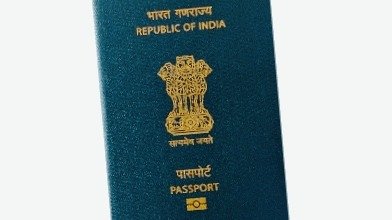
- In the October 2026 update, India ranks 84th, sharing its position with Algeria and Mauritania.
- While India moved up one spot from 85th in October 2025, its visa-free score dropped from 57 to 55 destinations.
- India lags significantly behind G7 and major economies.
- Within South Asia, Maldives commands the strongest position. India ranks comfortably above Bangladesh (99th).
Factors Influencing India’s Passport Ranking
- Bilateral Visa-Waiver Agreements: Reciprocal visa-waiver agreements can improve mobility, but negotiations depend on each country’s assessment of tourism, security, migration and economic interests.
- Agreements that apply only to diplomatic or official passport holders do not automatically improve ordinary Indian passport holders’ access.
- Diplomatic Relations: Strong diplomatic relations can facilitate negotiations on travel access. India’s engagement through bilateral partnerships, the G20, BRICS, the Quad and regional forums provides platforms for discussing mobility and cooperation.
- India’s engagement with SAARC, BIMSTEC and ASEAN provides avenues for regional cooperation.
- Immigration Compliance: Destination governments consider visa overstays, irregular migration, asylum applications and document fraud when determining entry requirements.
- Reliable identity systems and effective border controls help reduce document-related risks.
- Tourism Potential: Countries may relax entry rules to attract tourists, investors, business travellers and skilled professionals.
- India’s expanding consumer market, services sector and international business links provide opportunities to negotiate easier mobility.
- International Trust: Passport strength is influenced by the wider geopolitical environment. Conflict, sanctions, diplomatic isolation and weak consular relationships can restrict international mobility.
- Domestic Visa Policy: Visa liberalisation is often reciprocal: countries may offer easier entry when their citizens receive comparable treatment abroad.
- India’s own visa policy, security screening and bilateral negotiations therefore form part of the broader mobility equation.
Implications for Indian Citizens
- Visa-free entry and visa-on-arrival facilities can reduce application costs, paperwork, waiting periods and uncertainty for eligible Indian travellers.
- This supports spontaneous holidays, family visits and cultural exchange.
- Students benefit when destinations simplify short-term entry for university visits, entrance examinations, conferences and academic exchanges.
- Easier entry can improve access to trade fairs, negotiations, conferences, client meetings and investment opportunities.
- Reduced travel friction may help small and medium enterprises, start-ups and exporters participate in international markets.
- India’s large overseas diaspora creates demand for family visits, cultural engagement and consular assistance.
- Easier short-term travel can strengthen personal and cultural ties, while reliable consular services help citizens facing emergencies abroad.
- Visa applications can impose financial and administrative burdens, particularly on first-time travellers, students and small-business owners. Easier access may reduce these barriers.
Frequently Asked Questions (FAQs):
1. What is India’s rank in the Henley Passport Index 2026?
India ranks 84th in the October 2026 edition, sharing the position with Algeria and Mauritania.
2. Why has the Indian passport climbed to 84th place?
India’s relative ranking improved because rankings depend on comparative destination-access scores, not solely on its absolute visa-free access.
3. How many destinations can Indian passport holders access without a prior visa?
Indian passport holders can access 55 destinations without obtaining a visa beforehand, including qualifying visa-on-arrival and electronic authorisation arrangements.
4. Why has India’s visa-free access declined despite its improved ranking?
Access fell from 57 to 55 destinations, while relative rankings shifted as countries’ access scores and positions changed.
5. What is the Henley Passport Index?
It is a global ranking comparing passports by the number of destinations accessible without obtaining a visa in advance.
6. Which organisation publishes the Henley Passport Index?
Henley & Partners, a global residence and citizenship advisory firm, publishes the index using IATA travel data and additional research.
Disclaimer: Information in this article is based on official announcements and public records. Details may evolve over time.
| Also Read: Indian Passport Ranking Improves in 2025 |