



Trump Waives Russia-Related Sanctions, Impact on Global Energy Markets
| General Studies Paper II: Effect of Policies & Politics of Countries on India’s Interests |
Why in News?
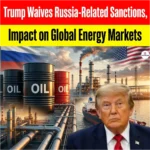
Recently, President Donald Trump signed an executive order waiving sweeping Russia-related US sanctions and secondary tariffs under the Graham Act.
Highlights of Trump’s Waiver of Russia-Related Sanctions
- On 18 September 2026, Trump signed the Lindsey O. Graham Sanctioning Russia and Iran Act of 2026, Public Law 119-111.
- The legislation introduced additional sanctions and trade penalties intended to increase pressure on Russia over its invasion of Ukraine.
- It also provided the President with authority to waive certain measures when justified by US national interests.
- On 16 October 2026, Trump issued an executive order implementing the Act while suspending the application of several of its provisions.
- The President certified to Congress that the waiver served US national interests and submitted an explanation of its basis, as required under Section 115 of the Act.
- The decision came amid concerns about elevated energy prices and the economic consequences of restrictions on Russian oil.
- The Act contemplated a 500% ad valorem duty on Russian-origin goods, subject to statutory exceptions, and a 100% duty on goods from major Russian oil-importing countries if they knowingly made new purchases of Russian crude or natural gas from 18 October 2026.
- It also provided penalties for leading facilitators of Russian oil-sanctions evasion.
- The executive order waived duties under Sections 112 and 113, preventing these newly prescribed penalties from taking effect under the order.
- The order waived specified sanctions and restrictions under Sections 102(a), 102(d), 102(e), and 103–111, as well as Section 117, subject to the order’s terms.
- These provisions covered designated persons, financial institutions, Russian state-linked entities, financial transfers, securities, and investment-related restrictions.
- The US Trade Representative, coordinating with relevant departments, must monitor Russian energy purchases and sanctions-evasion activity and report developments to the President.
- The waivers remain effective until the President or designated officials determine that further action is appropriate.
Geopolitical and Strategic Motives Behind US Decision
- The primary political driver behind the decision is the urgent need to stabilize escalating domesticdiesel prices ahead of the November 3 midterm elections.
- Fuel costs soared to a historic $6.52 per gallon in September, heavily straining American supply chains and risking a voter backlash.
- By executing a bilateral diesel supply deal with Moscow, the administration chose domestic economic relief over punitive foreign policy.
- The framework leverages an energy deal where Moscow agreed to supply over 300,000 metric tons of diesel.
- The ongoing conflict in West Asia and the strategic closure of the Strait of Hormuz have triggered severe disruptions in global oil supplies.
- Enforcing 100% tariffs on major energy consumers would have dramatically worsened a physical crude shortage and triggered catastrophic market spikes.
- Imposing aggressive financial penalties would have crippled critical bilateral ties, particularly with New Delhi.
- India relies heavily on Russian imports to meet its national energy security demands.
- The waiver acknowledges the limits of economic coercion against major global powers like China.
- Beijing formally opposed Washington’s “long-arm jurisdiction”, and analysts noted that aggressive tariffs would likely invite heavy economic retaliation.
- Suspending the penalties prevents an escalation into an unmanageable, multi-front trade war.
- The strategic shift reflects a broader policy pivot regarding the war in Ukraine.
- The administration has adopted a noticeably warmer stance toward Moscow while actively pressuring Kyiv to stop targeting Russian refineries.
- The decision uses sanctions flexibility as diplomatic leverage to force a ceasefire framework between Russia and Ukraine.
- The decision provides massive relief to New Delhi, which imports nearly 50.8% of its crude oil baseline directly from Russia.
- The immediate cancellation of secondary tariffs protects Indian refiners from aggressive maritime blocks.
- The waiver formally validates India’s longstanding foreign policy principle of strategic autonomy.
- Removing the immediate threat of secondary tariffs gives both nations much-needed breathing room to advance their stagnant US-India trade deal negotiations.
- The executive order removes a highly contentious trade barrier that had heavily strained US-India relations.
Frequently Asked Questions (FAQs):
1. Why did Donald Trump waive Russia-related sanctions in 2026?
To protect US economic interests, ease energy-price pressures, and preserve diplomatic flexibility amid geopolitical tensions.
2. What Russia-related sanctions did Trump waive?
He suspended specified new sanctions and tariff provisions targeting Russian entities, energy transactions, and countries purchasing Russian oil.
3. How will the Russia sanctions waiver affect global energy markets?
It may ease supply uncertainty, sustain Russian oil purchases, reduce trade disruptions, and moderate energy-price pressures.
4. Could Trump’s decision lead to lower global crude oil prices?
Possibly, if continued Russian exports increase available supply; prices also depend on demand, production, conflicts, and shipping risks.
5. How could the sanctions waiver affect Russian oil and gas exports?
It may facilitate exports by easing newly threatened penalties, but existing sanctions, logistics, and buyer decisions still constrain trade.
6. What is the potential impact on India and other major Russian oil importers?
India and China gain temporary tariff relief and purchasing flexibility, supporting energy security; renewed US restrictions remain a risk.
Disclaimer: Information in this article is based on official announcements and public records. Details may evolve over time.