Toshakhana India: Know About Toshakhana & Governing Rules
| General Studies Paper II: Indian Heritage, Government Policies & Interventions |
Why in News?
Recently, For the very first time the Ministry of External Affairs (MEA) opened Toshakhana’s first public e-auction of nearly 300 diplomatic gifts.
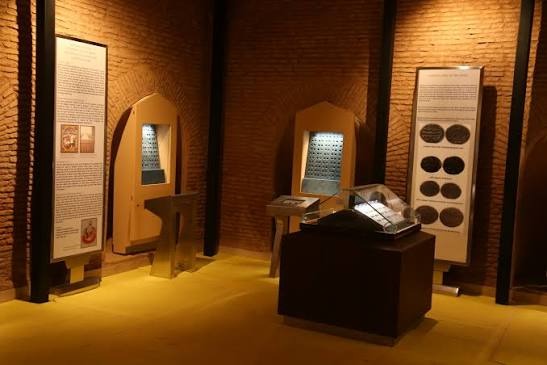
What is Toshakhana?
- About: Toshakhana is the official government repository where gifts, souvenirs, artworks, jewellery, ceremonial objects and other valuables received by Union government functionaries from foreign governments, dignitaries and international organisations during official engagements are deposited.
- The repository ensures that gifts received in an official capacity belong to the State rather than the individual, thereby preventing conflicts of interest.
- It functions under the Ministry of External Affairs (MEA).
- Meaning: The term originates from the Persian words ‘Toshah’ (treasure/valuables) and ‘Khana’ (house), meaning “treasure house.”
- Purpose: It represents a transparent system for managing official diplomatic gifts as State property.
- Its primary objectives are ethical governance, transparency, accountability and preservation of State property.
- History: The concept of Toshakhana dates back to the Mughal Empire, where emperors maintained treasuries to preserve gifts as symbols of prestige and sovereignty.
- During British rule, officials of the East India Company were generally prohibited from retaining valuable gifts received in official capacities.
- Such gifts were deposited in government treasuries, laying the foundation for institutional regulation of diplomatic gifts.
- After Independence, India formalised the practice through executive instructions, particularly the 1978 Gazette Notification, which prescribed procedures for depositing and valuing foreign gifts.
- Legal Basis: The system is governed by the Toshakhana Rules, 2024, notified by the MEA on 26 March 2024.
- The Rules apply to persons appointed to a civil service or post in connection with the affairs of the Union, including members of the Defence Services and other notified Union government functionaries.
- Administrative Control: The Toshakhana is maintained under the Joint Secretary (Establishment), MEA.
- An officer not below the rank of Under Secretary (Toshakhana) supervises its day-to-day administration, inventory, security and compliance.
- An Administration Officer/Section Officer acts as the Superintendent of Toshakhana, responsible for inventory management, custody and preservation of articles.
- Article Categories: The repository stores watches, jewellery, paintings, sculptures, medals, ceremonial weapons, handicrafts, decorative artefacts, coins and official mementos received during diplomatic engagements.
- However, perishable items such as dry fruits, chocolates, tea, jams and confectionery are generally returned to the recipient instead of being deposited.
- Gifts received from near relatives or personal friends on social occasions are governed separately under the Central Civil Services (Conduct) Rules, 1964.
- Management Process: Every deposited gift is recorded, catalogued, valued by an authorised committee and preserved.
- Depending on the applicable rules, articles may be retained by the recipient after payment, transferred to government institutions, displayed or auctioned.
- Security: The Toshakhana is maintained as a secured strong room under a double-lock system. Keys are examined annually and certified by the Under Secretary, with countersignature by the Joint Secretary.
- Retention: Government functionaries may purchase certain gifts by paying the assessed value.
- Articles not retained become government property and may be loaned, displayed, transferred to Rashtrapati Bhavan, the Prime Minister’s residence, museums, Indian missions abroad or other government institutions.
- Alcoholic beverages are transferred to the Protocol Division, while books are transferred to the MEA Library for official use.
- Disposal Method: Disposal is primarily managed through public e-auctions to ensure transparency.
- These online auctions are open to the public, with proceeds being credited to the Consolidated Fund of India under Article 266.
- The facility uses an authorized digital platform, such as the Toshakhana Auction Portal.
- Special Provisions: The Rules prescribe separate handling procedures for jewellery, precious metals, coins, bullion and animals.
- Jewellery and valuables are stored in secure safes or strong iron boxes.
- Coins and bullion are treated as government stores rather than cash.
- Gifted animals are transferred to authorised government agencies for appropriate disposal.
- Public Disclosure: A major reform introduced alongside the Rules is regular public disclosure.
- The MEA periodically publishes detailed lists of gifts received, their assessed values and their current status.
Highlights of MEA’s Public E-Auction of Toshakhana
- Announcement: The Ministry of External Affairs (MEA) launched India’s first public Toshakhana e-auction after the Toshakhana Rules, 2024 came into force.
- Schedule: The online auction opened on 8 June 2026 and will close at 5:00 PM on 30 June 2026.
- Successful bidders will receive their purchased articles through free delivery after completion of the process.
- Total Articles: The auction features nearly 300 diplomatic gifts and souvenirs received by senior MEA officials and other serving officers during official overseas visits spanning several years.
- Price Range: The reserve prices range from ₹2,385 for small collectibles to around ₹17 lakh, while some premium items have attracted bids of ₹19–20 lakh during the auction.
- Notable Items: Among the most sought-after lots are Rolex Yacht-Master II watches, each carrying a reserve price of around ₹16.5 lakh, with bidding touching nearly ₹20 lakh, making them the auction’s flagship items.
- Top luxury articles include an Al Arbash (Kuwait) gold jewellery set (around ₹9.5–10 lakh), a 20-gram Swiss Argor Heraeus gold biscuit, a natural ruby stone, and Armenian commemorative gold-plated coins.
- Other notable lots include an Indo-Persian silver tea service (about ₹7.6 lakh), an Egyptian silver carafe (about ₹2.7 lakh), Omani silver daggers, Tibetan carpets, porcelain crockery, decorative silverware and ceremonial artefacts.
- A Cartier limited-edition fountain pen and an antique silver cigar box attracted exceptionally high public interest, with multiple competitive bids pushing prices well above their reserve values.
- E-Bidding Process: Indian citizens can register on the official MEA Toshakhana e-auction portal, shortlist items and participate through online competitive bidding.
- Reserve prices were fixed by a designated valuation committee, and all sales follow a “no return, no reimbursement” policy.
- Significance: The auction marks a major reform in public asset management, ensuring transparency, public participation and accountability.
FAQs:
-
What is Toshakhana?
Toshakhana is the MEA’s official repository for diplomatic gifts received by Union government functionaries from foreign sources.
-
How are government gifts managed in India?
Gifts are deposited, recorded, valued, preserved, retained on payment, transferred or auctioned under the Toshakhana Rules, 2024
-
Who is required to deposit gifts in the Toshakhana?
Union civil servants, defence personnel and notified government functionaries receiving foreign gifts in official capacity must deposit eligible gifts.
-
Can government officials keep gifts received from foreign dignitaries?
Yes, only when permitted under the Rules and after paying the assessed value where applicable.
-
What are the rules for valuing and retaining official gifts?
Authorized appraisers assess value; eligible recipients may retain permitted gifts by paying the prescribed assessed amount.
-
Which authority manages the Toshakhana in India?
The Ministry of External Affairs, under the Joint Secretary (Establishment), administers the Toshakhana.
-
Why are Toshakhana rules important?
They ensure ethical governance, accountability, conflict-of-interest prevention and protection of valuable diplomatic assets.
-
How does the Toshakhana system promote transparency?
The MEA publishes disclosures of gifts and maintains documented valuation, custody and disposal records.
Disclaimer: Information in this article is based on official announcements and public records. Regulations and implementation details may evolve over time.
| Also Read: Indian Classical Language |