Women Underweight in Jharkhand, Highest Share of Women with Below-Normal BMI
| General Studies Paper III: Health, Government Policies |
Why in News?
Recently released National Family Health Survey (NFHS-6) 2023–24 reveals Jharkhand has India’s highest share of underweight women at 29.2%, heavily surpassing the 19.7% national average.
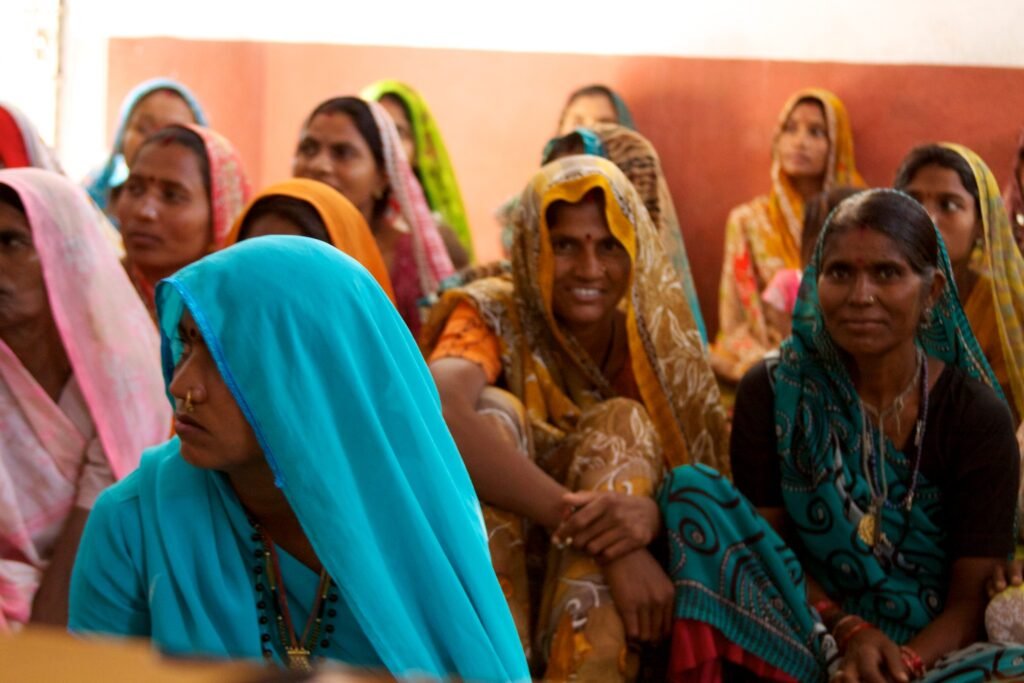
Jharkhand’s Women’s Underweight Crisis
- The latest NFHS-6 (2023–24) reports that 29.2% of Jharkhand women aged 15–49 have BMI below 18.5 kg/m², compared with 19.7% nationally.
- This places Jharkhand at the highest reported state level in the NFHS-6 comparison.
- Underweight prevalence is substantially higher among rural women (32.1%) than urban women (18.9%).
- The 13.2-percentage-point gap indicates that nutrition deprivation is strongly associated with rural living conditions and access disparities.
- Jharkhand’s overall female underweight prevalence increased from 26.2% in NFHS-5 (2019–21) to 29.2% in NFHS-6, a 3-percentage-point rise. Thus, recent progress has not translated into improved adult female nutritional status.
- NFHS-4 recorded 31.5% of women as below-normal BMI in 2015–16. Although the NFHS-5 figure temporarily fell to 26.2%, the subsequent NFHS-6 increase suggests persistent structural vulnerability.
- Jharkhand simultaneously records 16.9% women overweight/obese, while 29.2% remain underweight.
- This coexistence demonstrates a double burden of malnutrition, requiring differentiated interventions rather than a single nutrition strategy.
- Female underweight is accompanied by considerable male underweight: 25.3% of men aged 15–49 are below-normal BMI.
- Women’s nutritional deprivation carries additional implications because of pregnancy, lactation and intergenerational nutrition.
- NFHS-5-based estimates ranged from 22.0% in Khunti to 35.4% in Deoghar. Such geographic variation supports district-specific rather than uniform interventions.
- NFHS-5 found 65.3% of women aged 15–49 anaemic, including 62.6% of pregnant women.
- NFHS-6 also reports 41.1% of under-five children underweight, highlighting an intergenerational nutrition challenge.
Major Causes Behind Low BMI Among Jharkhand Women
- Intergenerational Poverty Cycles: The fundamental catalyst is structural income deprivation across rural sectors, where vulnerable households cannot afford basic calorie-dense, energy-sufficient, or macro-nutrient balanced diets.
- Severe Dietary Deficiencies: The local food profile is heavily reliant on a cereal-centric diet; over 34% of women never consume milk or curd, while fruit and leafy vegetable intake remains highly occasional.
- Prevalent Child Marriage: Cultural norms dictate early marriages, with 28% of women aged 20–24 married before the legal age of 18, trapping young girls in premature maternal stress before physical growth finishes.
- High Adolescent Pregnancy: Approximately 11.7% of adolescent girls are already mothers or pregnant, which depletes their fragile nutritional reserves and stops normal physical development, freezing their BMI.
- Gendered intra-household Distribution: Entrenched patriarchal dynamics govern food distribution, forcing women to eat last and least during family meals, which disproportionately subjects them to chronic caloric deficits.
- Inadequate Clean Sanitation: Deficits in safe drinking water and hygienic sanitation facilities trigger recurrent intestinal infections and parasitic loads, preventing the metabolic absorption of nutrients and causing low weight.
- Tribal Socio-Cultural Exclusion: Jharkhand’s indigenous tribal women (Adivasis) experience deep systemic isolation, facing higher structural barriers to food markets, literacy, and community health resources than non-tribal groups.
Health, Nutrition and Maternal Implications of Underweight
- Severe Maternal Mortality: Low BMI combined with a lack of physical reserve creates dangerous conditions like postpartum hemorrhage and severe toxemia, elevating maternal mortality rates during childbirth.
- High Fetal Stunting: Chronically thin mothers give birth to malnourished neonates, passing down a cycle of childhood stunting (40%) and wasting (22%) across Jharkhand’s next generation.
- Low Birth Weight: A maternal BMI below 18.5 directly restricts intrauterine growth, leading to a high prevalence of Low Birth Weight (LBW) infants who face increased neonatal mortality risk.
- Compromised Immune Defense: Women suffering from severe underweight status possess highly degraded immune systems, escalating their biological susceptibility to infectious diseases like tuberculosis and reproductive tract illnesses.
- Severe Micronutrient Anemia: Nutritional thinness severely impacts hematological health, causing iron deficiency anemia in 56.8% of pregnant women, which severely limits tissue oxygenation during labor.
- Diminished Economic Productivity: Physical wasting and chronic weakness curb manual labor capacity, drastically lowering a woman’s workforce output, agricultural efficiency, and long-term household income generation.
- Chronic Fatigue Syndrome: The everyday reality for these malnourished women involves debilitating physical fatigue, poor cognitive focus, and bone mineral depletion, drastically worsening their overall quality of life.
Rural–Urban and Socioeconomic Dimensions of Women’s Malnutrition
- Rural Underweight Concentration: The geographical divide is stark, with rural areas home to 76% of Jharkhand’s population and bearing a disproportionate share of below-normal BMI due to limited infrastructure.
- Urban Overweight Disparity: Urban centers show a distinct shift where overweight/obesity trends sit at 30.2% among wealthy mothers, illustrating a sharp socioeconomic health divide within the state.
- Wealth Quintile Divide: Disaggregated data indicates a clear link between poverty and low BMI; women in the lowest wealth asset quintile suffer multiple times the undernutrition rates of the wealthiest quintile.
- Female Literacy Links: Education acts as a critical protective factor; the 62% female literacy rate is unevenly distributed, and uneducated rural mothers face much higher rates of incomplete prenatal care.
- Healthcare Access Gaps: Geographic isolation makes it difficult for rural women to access physical health centers, which reduces antenatal care (ANC) utilization compared to urban areas.
- Marginalized Caste Burdens: Scheduled Tribes (ST) and Scheduled Castes (SC) experience intense socioeconomic marginalization, resulting in significantly higher rates of thinness and anemia than general castes.
- Agrarian Wage Insecurity: Dependence on seasonal, low-paying agricultural labor leaves rural women highly vulnerable to seasonal food price shocks, worsening food insecurity during lean months.
- The Rural Jharkhand Food Security Atlas identified considerable district variation in women’s BMI. NFHS-5-based estimates ranged from 22.0% in Khunti to 35.4% in Deoghar.
State and Centre Government Schemes Addressing Women’s Nutrition and Health
- POSHAN Abhiyaan (NNM): The central government’s flagship POSHAN Abhiyaan monitors district-level metrics to reduce undernutrition, stunting, and low birth weight through structured technology-driven tracking.
- SAAMAR Campaign (Jharkhand): The state launched the Strategic Action for Alleviation of Malnutrition and Anemia Reduction (SAAMAR), a targeted initiative focused on highly vulnerable tribal districts like Simdega and Chatra.
- Anganwadi Services (ICDS): Operating via local hubs, the Integrated Child Development Services provide vital Supplementary Nutrition, health checkups, and take-home rations to pregnant and lactating women.
- Pradhan Mantri Matru Vandana Yojana: This direct cash-transfer scheme delivers ₹5,000 cash incentives to pregnant women’s bank accounts, compensating for wage loss and supporting dietary security during pregnancy.
- PMMVY 2.0 provides ₹5,000 for the first child and ₹6,000 for the second child when the second child is a girl, subject to eligibility.
- Janani Suraksha Yojana (JSY): A critical safe-motherhood intervention that provides conditional cash transfers to lower financial barriers and promote institutional delivery among rural underprivileged women.
- Anaemia Mukt Bharat Strategy: This national program targets the state’s severe iron deficiency crisis by distributing Iron and Folic Acid (IFA) tablets alongside mandatory prophylactic deworming therapies.
- National Food Security Act (NFSA): The NFSA provides subsidized food grains to vulnerable households via the Public Distribution System (PDS), acting as a vital safety net against extreme hunger.
- Chief Minister’s Kanyadan Yojana: Jharkhand’s specific welfare scheme provides financial aid to underprivileged families to curb child marriages, helping protect young girls from premature maternal malnutrition.
- Prarabh Initiative Collaboration: The state health department partnered with the Child In Need Institute (CINI) under ‘Prarabh’, launching specialized counseling to improve pre-conception care and couple nutrition.
- Mission Saksham Anganwadi: The flagship nutrition framework provides supplementary nutrition, nutrition education, health check-ups, immunisation and referral services through Anganwadi Services, covering pregnant women and lactating mothers.
- Savitribai Phule Kishori Samriddhi Yojana: Jharkhand’s scheme supports girls through educational stages: ₹2,500 in Classes 8–9, ₹5,000 in Classes 10–12, and a ₹20,000 one-time grant at 18–19 years. By supporting education and delaying early marriage, it addresses important social determinants of nutrition.
- State Supplementary Nutrition Programme: Jharkhand’s 2025–26 Child Budget allocates a combined ₹90 crore financial outlay for supplementary nutrition for pregnant/lactating women and children, including state share, central share and state top-up.
- Mukhyamantri Maiya Samman Yojana: The state’s women-focused cash-support initiative targets women aged 18–50 years and seeks to strengthen economic security and living standards. Such income support can indirectly strengthen women’s capacity to access nutritious food and healthcare.
Way Forward
- Multi-Departmental Administrative Convergence: Jharkhand must coordinate efforts across its health, women and child development, rural development, and water sanitation departments to address the social determinants of health.
- Mandatory PDS Dietary Diversification: The Public Distribution System needs to expand beyond basic staples to include millets, pulses, iodized salt, and fortified edible oils to fix micronutrient deficits.
- Strengthening Local Pre-Conception Care: Healthcare strategies must focus heavily on pre-conception health screenings via the Prarabh framework, ensuring women build sufficient BMI reserves before pregnancy.
- Strict Child Marriage Elimination: Strict enforcement of the Prohibition of Child Marriage Act, combined with incentives for female secondary education, is essential to delay first pregnancies and safeguard development.
- Community-Led Anganwadi Revitalization: Upgrading local infrastructure and equipping Anganwadi workers with digital tools will improve the tracking and delivery of Supplementary Nutrition to remote areas.
- Targeted Vulnerable Tribal Sub-Plans: The state should expand the SAAMAR initiative by designing mobile health clinics and food security measures tailored specifically for isolated Particularly Vulnerable Tribal Groups (PVTGs).
- Empowering Self-Help Groups (SHGs): Leveraging the National Rural Livelihoods Mission to support women’s self-help groups can drive local nutritional awareness and back small-scale poultry or kitchen garden initiatives to ensure sustainable food security.
Frequently Asked Questions (FAQs):
1. What percentage of women are underweight in Jharkhand?
29.2% of women aged 15–49 have below-normal BMI; rural prevalence is 32.1%, versus 18.9% urban.
2. Why are women underweight in Jharkhand?
Key factors include food insecurity, poor dietary diversity, poverty, micronutrient deficiencies, heavy workloads, and inadequate healthcare access.
3. What does underweight mean according to BMI?
For adults, BMI below 18.5 kg/m² indicates underweight; BMI equals weight in kilograms divided by height in metres squared.
4. How does malnutrition affect women in Jharkhand?
It can contribute to anaemia, reduced physical capacity, illness vulnerability, pregnancy complications, low birth weight, and intergenerational undernutrition.
5. What are the major causes of female malnutrition in Jharkhand?
Major causes include poverty, inadequate diets, food insecurity, anaemia, limited healthcare, gender disparities, early pregnancy, and socioeconomic deprivation.
Disclaimer: Information in this article is based on official announcements and public records. Details may evolve over time.
| Also Read: Women Reservation Act 2023 |