



India Joins UK-France led Hormuz Navigation Security Initiative
|
General Studies Paper II: Groupings & Agreements Involving India and/or Affecting India’s Interests |
Why in News?
Recently, India confirmed joining a UK-France led maritime initiative to ensure uninterrupted navigation in the Strait of Hormuz, amid rising regional tensions in West Asia.
Highlights of UK-France led Hormuz Navigation Security Initiative
-
- Leadership: French President Emmanuel Macron and UK Prime Minister Keir Starmer launched this initiative in Paris on April 17, 2026.
- This co-leadership establishes a unified European-led response to the maritime crisis.
- They seek to provide a “workable solution” to the closure of the Strait of Hormuz.
- Participation: The summit gathered representatives from over 50 nations, including Germany, Italy, and India. This broad coalition aims to restore international confidence in the region.
- By involving major Asian economies, the initiative ensures that global stakeholders have a direct voice in securing their energy imports.
- Legal Framework: The mission follows the UN Convention on the Law of the Sea (UNCLOS). It promotes the principle of Freedom of Navigation for all nations.
- The coalition rejects any illegal tolls or restrictions imposed by regional powers on international waters.
- It supports UN Security Council Resolution 2817, which classifies interference with international shipping as a threat to international peace and security
- Mission Mandate: The mission is strictly “non-belligerent” and defensive. It stays separate from the direct conflict involving the United States, Israel, and Iran.
- The goal is to protect merchant shipping without engaging in offensive strikes. This status helps de-escalate regional tensions.
- It emphasizes diplomacy, de-escalation, and neutrality, positioning itself as an alternative to blockade or aggressive naval strategies.
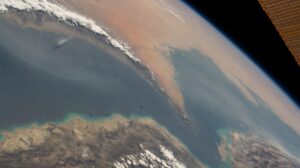
- Global Energy Flows: The Strait of Hormuz carries nearly 20% of the world’s oil and 25% of its liquefied natural gas (LNG). The initiative aims to reopen this waterway after a de facto blockade. Protecting this chokepoint is vital for preventing a global economic recession.
- Mine Clearing Operations: Naval mines have damaged at least 16 commercial ships since March 2026. A primary task of the initiative is mine countermeasures.
- Specialized drones and sonar ships will sweep the shipping lanes. This ensures the physical safety of deep-draft oil tankers.
- Restoring Maritime Insurance: The initiative works closely with the insurance industry to lower costs. High war risk premiums have made shipping too expensive.
- By providing sovereign naval escorts, the coalition aims to reduce these financial barriers for shipowners and cargo shippers.
- Leadership: French President Emmanuel Macron and UK Prime Minister Keir Starmer launched this initiative in Paris on April 17, 2026.
- Operational Planning: Following the Paris summit, a multinational military planning meeting is scheduled for next week at the UK’s Permanent Joint Headquarters in Northwood.
- This session will finalize the naval asset contributions and coordination protocols for participating nations.
India’s Strategic Stakes in Hormuz Initiative
- Energy Security and Oil Supply: India’s participation is driven by its heavy reliance on energy imports, with nearly 85% of crude oil sourced from abroad.
- A significant share passes through the Strait of Hormuz, making uninterrupted flow critical. Any disruption directly impacts fuel prices, inflation, and economic stability.
- Economic Stability: Disruptions in Hormuz increase insurance premiums, shipping costs, and supply chain delays.
- By supporting this initiative, India aims to stabilize global energy markets, reduce economic volatility, and ensure predictable trade conditions.
- Protection of SLOCs: The initiative aligns with India’s priority to secure Sea Lines of Communication (SLOCs). Around 60% of India’s maritime trade transits through this region.
- Ensuring safe passage strengthens trade continuity, export-import stability, and maritime logistics resilience.
- Human Security Concerns: West Asia hosts over 9 million Indians, many working in Gulf countries. Instability in Hormuz threatens their safety and evacuation routes.
- Participation ensures better coordination for evacuation operations and protection of human security interests.
- Blue Water Capability: India’s involvement enhances its blue-water navy credentials by contributing to international maritime security.
- Deployment of naval assets improves operational experience, surveillance capability, and interoperability with European forces like the UK and France.
- Balancing Geopolitics: India maintains a delicate balance between Iran, Gulf nations, and Western powers. Joining a non-offensive, rules-based initiative allows India to safeguard its interests without compromising its strategic autonomy or diplomatic relations with Iran.
- Commitment to Rules-Based Maritime Order: India’s participation reflects its support for international maritime law, especially UNCLOS.
- Upholding freedom of navigation strengthens India’s global image as a responsible maritime stakeholder committed to a stable and lawful ocean order.
- Strategic Partnerships with Europe: Collaboration with the UK and France boosts India-Europe strategic ties, especially in defense and maritime cooperation.
- It complements existing partnerships in the Indo-Pacific and Indian Ocean Region, enhancing India’s role as a net security provider.
|
Global Mechanism for Secure Hormuz Transit
|
|
Also Read: India Joins Hormuz Reopening Global Effort |