



First Human Case of Shamonda Virus in France, Symptoms & Treatment
| General Studies Paper I: Health |
Why in News?
Recently, the World Health Organization (WHO) confirmed the first human case of the Shamonda virus in France. An immunocompromised patient died in Lyon following suspected midge-borne transmission.
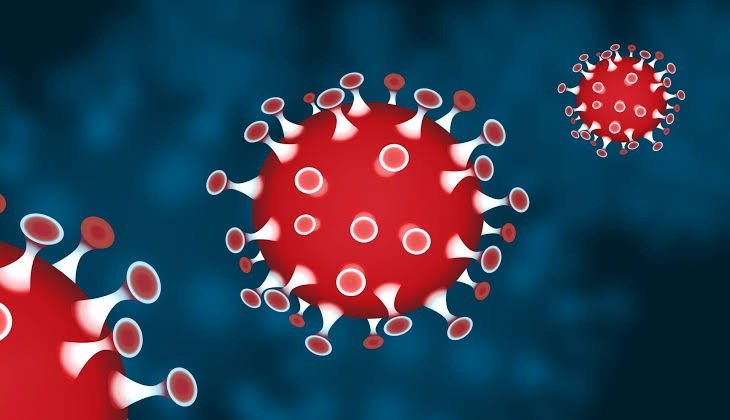
What is Shamonda Virus?
- About: Shamonda virus (SHAV) is an enveloped, negative-sense, single-stranded RNA virus primarily known for causing acute veterinary illness in livestock. It affects animals such as cattle, sheep, goats and horses.
- Discovery: The pathogen was first isolated from cattle and midges in Ibadan, Nigeria in 1965.
- For decades, it remained confined to sporadic animal outbreaks in Africa and Japan.
- A novel “Shamonda-like” variant unexpectedly emerged in Europe during the summer of 2026, causing widespread outbreaks across more than a dozen countries, including France, Germany, and Switzerland.
- Classification: It belongs to the genus Orthobunyavirus within the family Peribunyaviridae, sitting inside the Simbu serogroup alongside the Akabane and Schmallenberg viruses.
- Its genome consists of three segments (Large, Medium, and Small), making it highly prone to genetic reassortment.
- Transmission: The virus is primarily a vector-borne pathogen transmitted through the bites of blood-feeding Culicoides biting midges (gnats).
- Direct human-to-human transmission has not been documented, the virus can pass vertically from an infected pregnant animal to its fetus.
- Culicoides biting midges pick up the virus when feeding on infected livestock and transmit it to other hosts.
- Vector activity and transmission risks naturally peak during warm, humid months and decline in winter.
- Symptoms: In livestock, SHAV causes fever, diarrhea, lethargy, and a severe drop in milk production, as well as abortions and congenital malformations in pregnant animals.
- A standard human symptom profile is unestablished; however, the deceased patient presented with severe cerebral complications and neurological decline.
- Treatment: There is currently no antiviral treatment, cure, or vaccine available for humans or animals.
- Livestock management relies on supportive anti-inflammatory drugs.
- Prevention focuses entirely on vector control, including insecticides, repellents, and removing standing water to eliminate midge breeding sites.
SHAV First Human Case in France
- Clinical Findings: French health authorities confirmed the first-ever human case of Shamonda virus (Shav) in a male patient in his 60s from the Lyon area, who passed away in early October 2026.
- The patient was severely immunocompromised due to an unrelated serious illness. Initial biological and epidemiological investigations revealed he suffered from severe neurological complications and brain abnormalities very likely linked to the infection.
- Authorities hypothesize he contracted the virus via the vector bite of an infected Culicoides midge fly in eastern France, where the virus was circulating heavily among livestock during the spring and summer of 2026.
- Public Health Risks: The French Ministry of Agriculture and the Ministry of Health stressed that there is no public health risk or crisis for the general population.
- This human case is considered an isolated, exceptional event facilitated solely by the patient’s profoundly weakened immune system, as there is no evidence of person-to-person transmission.
- Global Surveillance: The World Health Organization (WHO) is collaborating closely with French health bodies to analyze potential transmission pathways.
- The European Centre for Disease Prevention and Control (ECDC) and local authorities are actively monitoring vector activity and tracking how the animal pathogen breached the species barrier.
- Ongoing medical preparedness centers on conducting further scientific studies to understand the virus’s impact on humans.
Note: Zoonotic viruses originate in or circulate among animals and can infect humans, sometimes producing epidemics or pandemics.
Major Zoonotic Viruses That Cause Devastating Human Epidemics
- Avian Influenza (Bird Flu): Mainly affecting aquatic birds, strains like H5N1 and H7N9 occasionally spill over into humans via direct contact with infected poultry.
- The virus targets the respiratory tract, exhibiting a high mortality rate near 50%, raising severe concerns regarding its mutational pandemic potential.
- Nipah Virus (NiV): Enzoonotic in Pteropus fruit bats, this Henipavirus transmits to pigs and subsequently to humans through contaminated date palm sap or bodily fluids.
- It triggers acute respiratory distress and fatal encephalitis, presenting a stark biosecurity threat across South and Southeast Asia.
- Ebola Virus Disease (EVD): Originating in fruit bats, this filovirus spreads to non-human primates before causing devastating human outbreaks.
- Transmission occurs through direct contact with infected blood, causing severe hemorrhagic fever and multiorgan failure, necessitating strict quarantine and surveillance protocols.
- Severe Acute Respiratory Syndrome (SARS-CoV-1): Originating in horseshoe bats, this virus amplified in masked palm civets sold in wildlife markets before spilling over into humans.
- It caused a global respiratory outbreak in 2003, emphasizing the urgent need to regulate wildlife trade globally.
- Rabies Virus: This lyssavirus circulates among domestic dogs and wild carnivores like foxes.
- Transmitted via saliva from bites, it attacks the central nervous system, becoming virtually 100% fatal once symptoms appear, emphasizing the need for mass canine vaccination.
- Monkeypox Virus (Mpox): Endemic to African rodents and non-human primates, this orthopoxvirus spills over through bushmeat handling or animal scratches.
- It causes painful vesicular rashes, representing a re-emerging global health emergency due to shifting human-to-human transmission dynamics.
- Crimean-Congo Hemorrhagic Fever (CCHF): Circulating among wild and domestic herbivores like cattle, this bunyavirus is transmitted to humans via Hyalomma tick bites or contact with infected blood.
- SARS-CoV-2: This coronavirus likely originated in bats before transitioning through intermediate wildlife hosts. The pathogen caused the catastrophic COVID-19 pandemic, altering global economies and health infrastructure.
- HIV/SIV: Evolving from the Simian Immunodeficiency Virus found in wild primates, it breached the human barrier via infected blood. It permanently adapted into a human-only chronic pandemic.
India’s Zoonotic Disease Prevention Framework
- India formally approved the National One Health Mission (NOHM), a cross-ministerial initiative steered by the Office of the Principal Scientific Adviser (PSA).
- It integrates over 13 government departments—including health, animal husbandry, and environment—under a two-tiered governance framework featuring an Executive Committee and a Scientific Steering Committee to eliminate institutional silos.
- The National Institute for One Health (NIOH) established in Nagpur acts as the apex research hub.
- It coordinates a unified network of 23 Biosafety Level-3 (BSL-3) and BSL-4 laboratories, supported by the Indian Council of Medical Research’s (ICMR) mobile diagnostic units, to facilitate the safe containment and identification of high-risk zoonotic pathogens.
- By linking the Integrated Disease Surveillance Programme (IDSP) with the Integrated Health Information Platform (IHIP) and veterinary portals, India tracks 33+ communicable diseases using AI-driven diagnostic algorithms to detect spillovers rapidly.
- Substantial funding drives these systems, including ₹386.86 Crore specifically allocated for NOHM operations.
- This works alongside the ₹64,180-crore Pradhan Mantri Ayushman Bharat Health Infrastructure Mission (PM-ABHIM), which finances decentralized District Public Health Labs (DPHLs) and strengthens grassroots pandemic readiness.
- Active prevention relies on structural inter-ministerial field studies and live exercises.
- Initiatives like the Vishanu Yuddh Abhyas mock drills validate national response speeds.
- Dedicated real-time surveillance models focus on high-risk vectors, specifically monitoring migratory bird sanctuaries and wetlands across states like Sikkim, Maharashtra, and Tamil Nadu.
- The framework expands into environmental sectors by formulating a National Wildlife Health Policy and managing Antimicrobial Resistance (AMR).
- Initially launched by the Department of Biotechnology (DBT), it actively maps the geographic prevalence of 10 select zoonotic diseases and 5 transboundary animal diseases.
Frequently Asked Questions (FAQs):
1. What is Shamonda virus, and how was France’s first human case detected?
Shamonda is a midge-borne orthobunyavirus. France detected its first human infection through clinical and laboratory investigations of a severely immunocompromised patient.
2. What are the known symptoms of Shamonda virus infection?
Human symptoms remain poorly characterised. The French patient reportedly developed neurological complications; infected livestock may experience fever, diarrhoea and reduced milk production.
3. How does Shamonda virus spread among animals?
Infected Culicoides biting midges transmit Shamonda virus between susceptible animals, particularly cattle, although other livestock may also become infected.
4. Can Shamonda virus be transmitted from animals to humans?
Yes. Animal-associated infection may reach humans through infected biting midges; however, the precise transmission route in France remains unconfirmed.
Disclaimer: Information in this article is based on official announcements and public records. Details may evolve over time.
| Also Read: Utusu Virus Detected in Scotland |